
The cannabis industry is on the brink of a transformative era, driven by the increasing momentum towards decriminalization and legalization. This shift is more than just a legal change; it encompasses technological evolution, economic restructuring, and alterations in social perspectives. This article delves into various aspects of this transformation, informed by scholarly research.
The Intersection of Jobs & Robotics in Cannabis
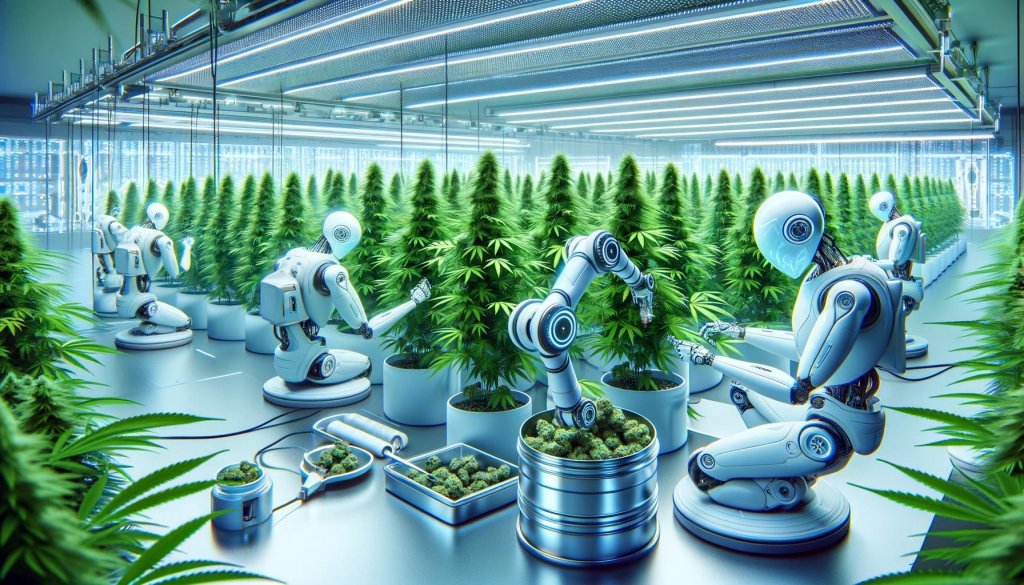
The integration of robotics in the cannabis sector is a harbinger of a new age of automation, particularly in cultivation, harvesting, and packaging. While this technological advancement promises enhanced efficiency and precision, it raises concerns about the displacement of human labor. As manual roles become obsolete, new opportunities in technology, maintenance, and system management emerge. The industry’s expansion due to legalization is poised to create various job roles, marking a shift in the workforce dynamics and necessitating skill development aligned with the industry’s evolving demands.
Artificial Intelligence: A New Era in Cannabis
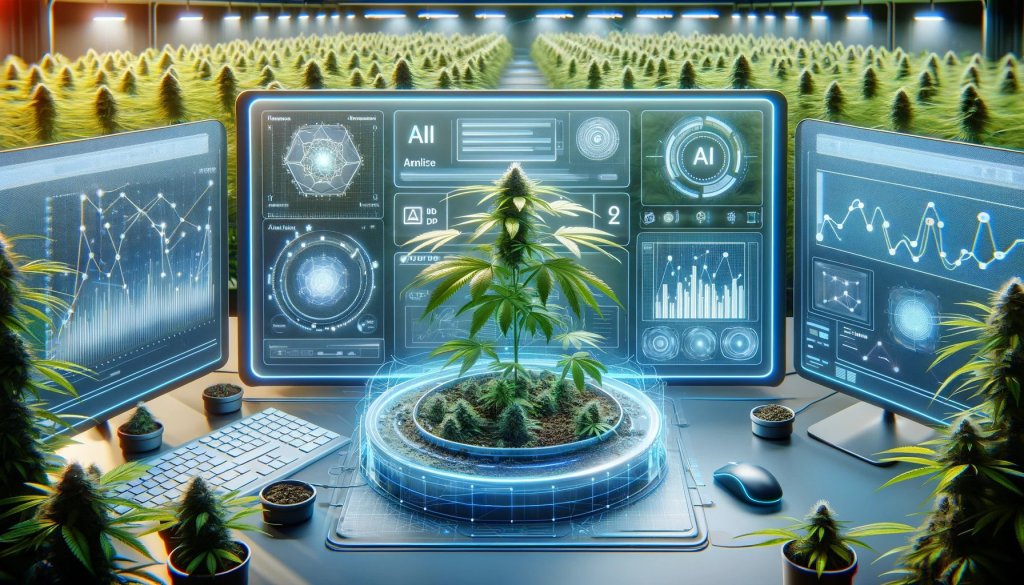
Artificial Intelligence (AI) is set to revolutionize the cannabis industry. Its potential applications range from consumer trend analysis to optimizing cultivation conditions. AI’s most significant impact could be in genetic research and strain development, offering innovative growing techniques and leading to personalized cannabis products tailored to individual preferences and medical needs. Over time, the AI itself will become increasingly intuitive and responsive, evolving into a more effective language model.

The Pros and Cons of Legalization
Legalization and decriminalization unlock new economic potential and freedoms. They pave the way for entrepreneurs and investors, leading to economic growth and job creation. However, they also bring challenges in regulating cannabis products and ensuring quality. The long-term ecological impacts and potential market saturation are significant considerations. These aspects require comprehensive regulatory approaches to ensure beneficial outcomes for all stakeholders involved.
Dispelling Common Misconceptions in Cannabis Legalization
There’s a common misconception that legalization equates to unrestricted access. However, this is not the case; the reality of it involves strict regulatory frameworks governing production, distribution, and consumption. The impact of legalization extends to every facet of the supply chain, necessitating a systemic approach to address its multifaceted implications. Moreover, it should be understood that legalization and decriminalization are processes which have to be enforced and agreed upon, so it will take time. While this allows for some speculation, it also prevents a lot of it.
Future Expectations for the Cannabis Industry
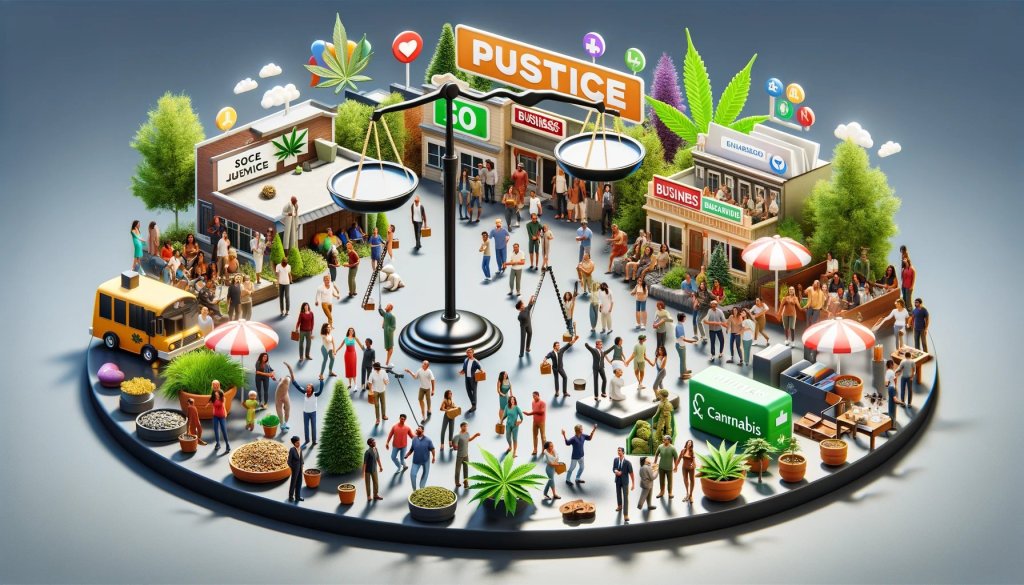
Post-legalization, the cannabis industry is likely to witness significant consolidation, with larger entities potentially dominating. (A caveat: this will depend on the success or failure of Congress passing the SAFE Banking Act as well as Rescheduling cannabis from Schedule I to Schedule II)
This could also spur innovation, leading to new product development and delivery systems. The next two decades might see the industry expanding into global markets, contingent on international regulatory alignments. The experts at Budtenders Ethos can assist you in preparing for the international marketplace.
Scholarly Sources Reflecting on Cannabis Industry Dynamics
1. Dills, Angela, Sietse Goffard, Jeffrey Miron, and Erin Partin. “The Effect of State Marijuana Legalizations: 2021 Update.” Cato Institute. 2021.
2. Caulkins, Jonathan P., and Michelle L. Kilborn. “Cannabis Legalization, Regulation, & Control: A Review of Key Challenges for Local, State, and Provincial Officials.” *PubMed.*
These sources provide insights into the complex changes occurring in the cannabis industry, guiding stakeholders in making informed decisions. Find them here:
So What Can We Say?
The cannabis industry’s future, shaped by decriminalization and legalization, is a blend of opportunities and challenges. It necessitates a balanced approach, harmonizing technological advancements with economic opportunities and regulatory responsibilities. As the industry evolves, its impact on global economic, technological, and social landscapes will be profound.

 Chronicler Cannabis Historians
Leave a comment