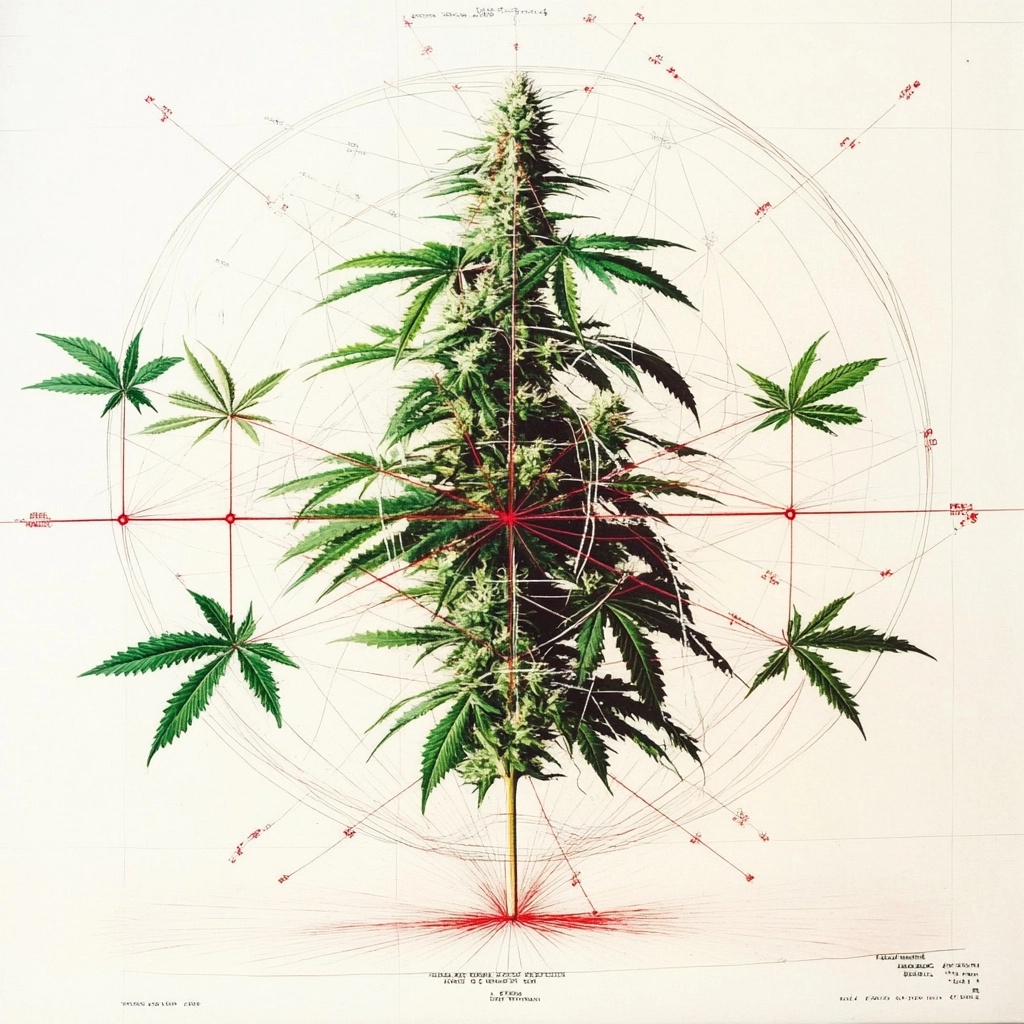
Cannabis nomenclature has long been a source of confusion, misinformation, and misnomers. This confusion is rooted in a combination of historical stigmatization, marketing strategies, cultural misconceptions, and legal inconsistencies.
Misunderstanding cannabis terms can lead to regulatory missteps, poor consumer education, and inefficient business practices. Below, we explore major issues surrounding cannabis nomenclature through various lenses and provide actionable insights for resolving them.
History: Origins of Misnomers and Stigmatization
The term “marijuana” became widely used in the early 20th century, fueled by political propaganda and xenophobic sentiments aimed at Mexican immigrants. Before this, “cannabis” was the term used in medical contexts. The stigmatization of “marijuana” was deeply intertwined with racist undertones, cultural and social insensitivity, and today many advocates push for the exclusive use of “cannabis” to move away from these negative associations, as we do here at BTE.
This misnomer has implications for the entire industry, as it shapes perceptions and contributes to the ongoing stigma around cannabis use. In our professional opinions, companies that embrace “cannabis” as a term in their branding signal a more educated, professional approach and appeal to both knowledgeable consumers and those looking to escape outdated stigmas.
Historically, these associations created a long-lasting stigma, with modern cannabis companies increasingly shifting to use “cannabis” exclusively, aiming to shed the plant’s racialized and stigmatized past.
Impact on the Industry: Businesses using “cannabis” in their branding signal sophistication and aim to re-educate consumers and regulators, appealing to those who seek a more professional, unbiased experience.
Marketing & The Misuse of Strain Names
Strain names such as “Blue Dream,” “OG Kush,” and “Sour Diesel” are pervasive in cannabis marketing. While catchy, these names can be misleading as the effects and potency of strains vary across growers. Consumers often mistakenly believe that strain names indicate consistent experiences, but these are more driven by marketing than science. This is deliberate on the part of most brands: they know what the consumer wants, and they’ll do what must be done to maintain the bottom line.
What’s more, these companies are counting on the fact that the consumer is low-information, low-education on cannabis. The check to this precarious balance is the cannabis educator, but in collaboration with owners, managers, and local legislators.
Effect on Branding and Consumer Trust: Relying on strain names can erode consumer trust when products don’t meet expectations. Educated consumers are beginning to look beyond strain names to cannabinoid and terpene profiles. Consultants should prioritize terpene and cannabinoid education in consumer interactions to build long-term trust. By the end of 2025 this transition will have been completed and the demand for profile-based labeling will become a stalwart in the industry of the future.
Cannabis Business Strategy Lens: Indica vs. Sativa – The Misleading Dichotomy
The traditional Indica-Sativa dichotomy is one of the most persistent myths in the cannabis world. If we may generalize a bit here, consumers are often told that Indica strains provide relaxation, while Sativa strains give energy, where Hybrids combine these traits.
However, modern research shows that a strain’s effects are determined more by its cannabinoid and terpene profile than by genetic classification.
That genetic classification governing cannabis was founded upon faulty premises, ridiculous misunderstanding, and a ton of sociopolitical influence. When Linneus and Lamarck designated the two classes indica and sativa, it was done almost exclusively for the purpose of commercialization potential and physical, observable traits possessed by the plant.
Business Implications: Companies that educate customers on terpenes and cannabinoids will stand out as credible, while those relying on outdated Indica/Sativa marketing may fall behind. This shift will affect how businesses train their employees to guide consumers.
Linneus & Lamarck:
In the history of cannabis taxonomy and nomenclature, both Carl Linnaeus and Jean-Baptiste Lamarck played pivotal roles in shaping our understanding of the plant, though their contributions reflected different approaches to the scientific classification of cannabis.
Carl Linnaeus (1707–1778)
Linnaeus, a Swedish botanist, is best known for his development of the binomial nomenclature system, which classifies organisms by their genus and species. In 1753, Linnaeus published Species Plantarum, where he classified cannabis as Cannabis sativa. He based this on the morphological traits of a plant he studied, which came from Europe, most likely a variety cultivated for fiber (hemp).
Linnaeus treated cannabis as a single species under the genus Cannabis with the species name sativa, derived from the Latin word meaning “cultivated.” He did not distinguish between what we now know as psychoactive varieties (high in THC) and non-psychoactive varieties (high in CBD or fiber hemp), as his focus was on classifying the plant based on observable physical characteristics such as leaves and height.
Linnaean Contribution:
- Introduced Cannabis sativa as the species name.
- Emphasized morphology (physical characteristics) to define the species.
- His classification, however, did not fully capture the plant’s chemical and physiological diversity, which would become significant in future taxonomic debates.
Jean-Baptiste Lamarck (1744–1829)
Lamarck, a French naturalist, is perhaps best known for his early theories on evolution, but his work in plant taxonomy also had a lasting impact on cannabis classification. In 1785, Lamarck published a description of a new species, Cannabis indica, in his Encyclopédie Méthodique. Lamarck’s classification was based on plants he studied that were imported from India.
Lamarck’s cannabis, Cannabis indica, differed from Linnaeus’s Cannabis sativa in several key ways:
Lamarckian Contribution:
- Differentiated Cannabis indica from Cannabis sativa based on both morphological and geographical factors.
- This opened the door for the idea that cannabis might consist of multiple species, each with distinct properties.
- Highlighted the psychoactive nature of Cannabis indica, which was associated with medicinal use, in contrast to the industrial hemp variety of Cannabis sativa.
- Size and Structure: Cannabis indica plants were generally shorter, bushier, and had broader leaves compared to the tall and slender Cannabis sativa plants.
- Effects: Cannabis indica was noted for its psychoactive properties, which were stronger than the European hemp (likely Cannabis sativa) classified by Linnaeus. The plant was cultivated for its resin, used in traditional medicine and rituals in regions like India and the Middle East.
Cannabis Consulting Lens: THC Obsession and Misleading Potency Claims
A significant challenge lies in the cannabis industry’s arbitrary fixation on THC potency. Consumers often believe that higher THC equates to a more powerful experience. This has led to a market push for high-THC strains, overshadowing other cannabinoids and terpenes that can provide a more balanced or nuanced effect.
Consulting and Consumer Education: Consultants need to emphasize the Entourage Effect — how cannabinoids and terpenes work together. Educating both consumers and businesses about this can shift the focus from THC obsession to a more comprehensive understanding of cannabis products.
Employee Training Lens: Correcting Retail-Level Misconceptions
Many cannabis employees, particularly budtenders, enter the industry with limited knowledge, often influenced by consumer myths. It’s critical that employee training dismantles these misconceptions and provides accurate, science-based information.
Key Training Areas:
- Clarifying the Indica/Sativa myth and educating on the importance of terpenes and cannabinoids.
- Explaining that strain names are unreliable indicators of product effects.
- Teaching the benefits of balanced cannabinoid profiles and the entourage effect.
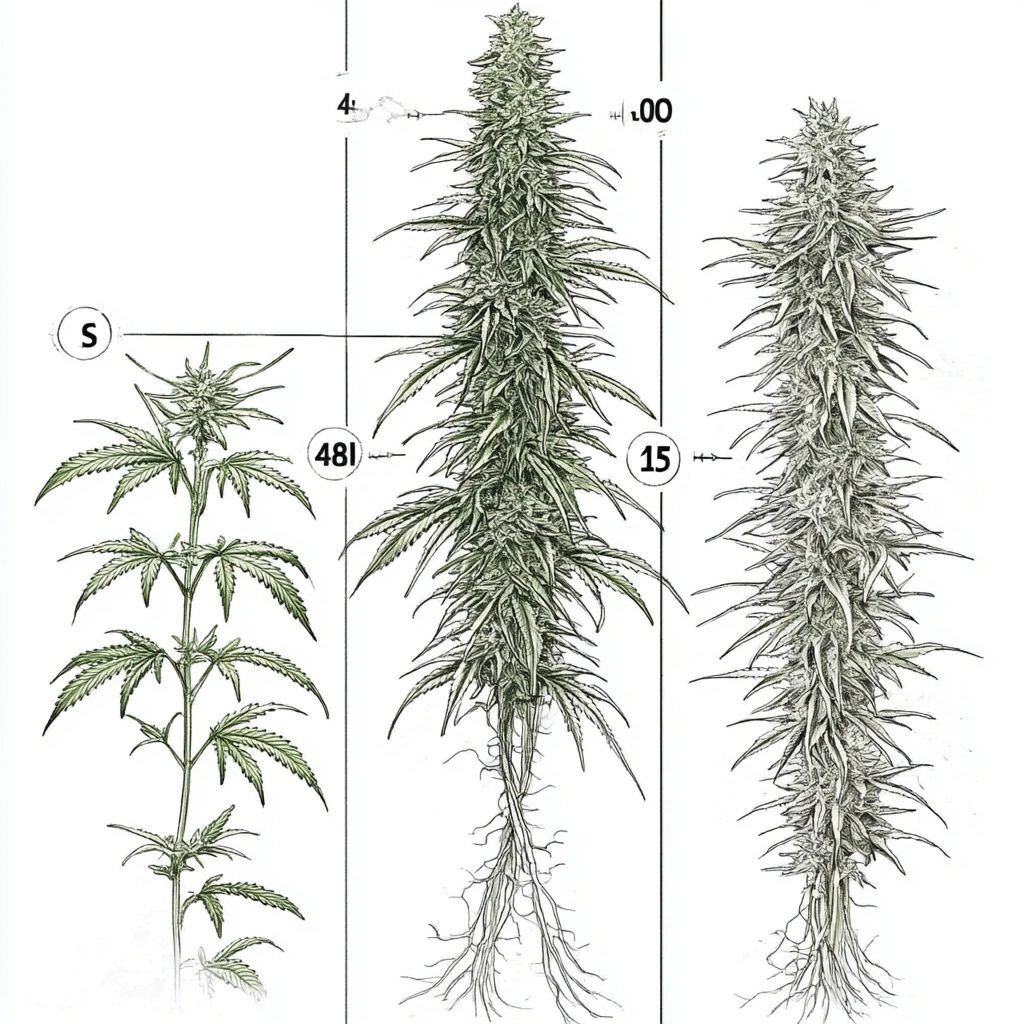
Cannabis Taxonomy — Indica, Sativa, Ruderalis, and Hybrid
The terms Indica, Sativa, and Ruderalis refer to the three main species of the cannabis plant. However, in modern cultivation, these distinctions often blur, and the majority of cannabis available today are hybrids — a combination of Indica and Sativa genetics. Ruderalis, typically lower in THC, is rarely used on its own, though it is crucial in autoflowering strains.
Consultant’s Perspective: The real takeaway for businesses and consumers should be that these classifications are largely irrelevant in predicting effects. It’s more useful to focus on the plant’s chemical makeup — cannabinoids, terpenes, and flavonoids — to understand its therapeutic and recreational value.
Solutions and Education on Sativa, Indica, and Ruderalis Misconceptions
Education is the key to breaking down these misconceptions. A clear, consistent focus on the science behind cannabis is necessary to shift consumer behavior and business practices:
- Teach that cannabinoids and terpenes, not the Indica/Sativa distinction, determine effects.
- Highlight the entourage effect and how it contributes to the overall cannabis experience.
- Encourage businesses to use transparent lab results to guide consumer choices.
Conclusion: The Future of Cannabis Nomenclature
The cannabis industry is at a critical juncture. Businesses that invest in educating consumers about accurate nomenclature and focus on cannabinoid and terpene science will build a more trusted brand, leading to long-term success. Proper employee training, regulatory changes, and consumer education are essential to overcoming the misinformation that has plagued the industry for decades.

 Chronicler Cannabis Historians
Leave a comment