- Introduction
- The Nature of Myrcene
- Effects of Myrcene
- Myrcene in Vape Pods
- Learning Outcomes
- Test Your Knowledge
- Join Budtenders Ethos
Introduction
When it comes to cannabis, understanding terpenes is key to unlocking the unique effects and experiences that different strains offer. Among these terpenes, Myrcene stands out for its powerful sedative properties. Whether you’re a connoisseur or new to cannabis, recognizing the importance of Myrcene will elevate your understanding of this amazing plant.
Learning Outcomes
After Reading This Article, You Will Be Able To:
- Explain how Myrcene contributes to the effects and aroma of cannabis.
- Analyze the role of Myrcene in enhancing cannabinoid absorption and its potential therapeutic benefits.
- Describe Myrcene’s presence in cannabis vape pods and how it affects the user experience.
- Compare Myrcene’s effects to other terpenes such as Pinene and Limonene.
- Synthesize the research on Myrcene’s medicinal properties and its relevance in the cannabis industry.
The Nature of Myrcene
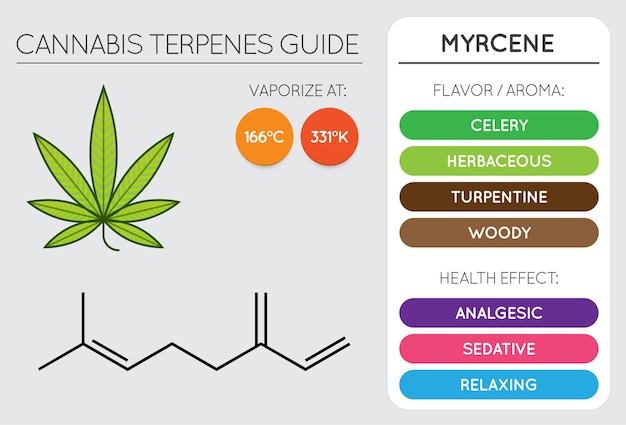
Myrcene is a monoterpene that gives cannabis strains their earthy, musky aroma. This terpene, found in plants like hops, bay leaves, and lemongrass, contributes to the distinctive smell of many cannabis strains.
“Terpenes like Myrcene are the secret ingredients in cannabis that work together with cannabinoids to produce a wide range of effects.” — Dr. Ethan Russo, Cannabis Researcher
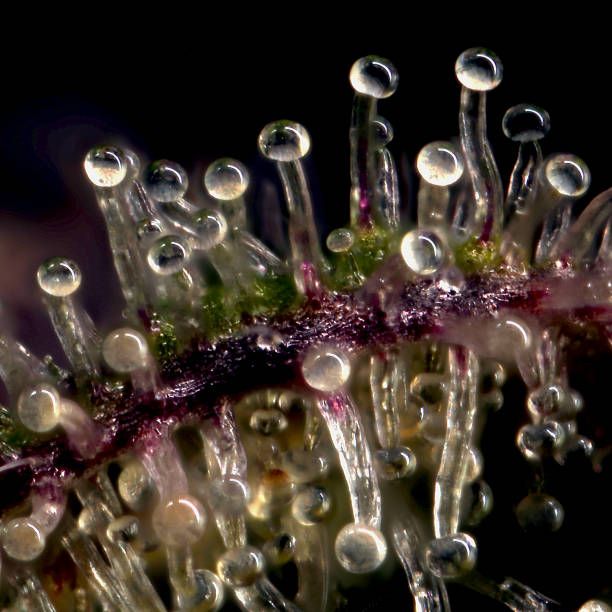
Myrcene is biosynthesized in the same glandular trichomes where cannabinoids like THC are produced, adding to the sticky, resinous texture of cannabis buds. It is a key terpene that helps define the overall sensory experience of cannabis, both in aroma and effects.
Fun Fact:
Myrcene is the most abundant terpene in cannabis, often being the primary determining whether a strain is Indica or Sativa-dominant. While Indica strains tend to have higher Myrcene content, Sativa strains typically contain lower levels of it. To be clear, this is done in order to give customers some kind of basic orientation on a product; indica and sativa are made for myrcene, myrcene is not made for indica and sativa classification.
Myrcene’s Role in Enhancing Cannabinoid Absorption
Studies suggest that Myrcene may enhance the absorption of cannabinoids in the body, leading to a more pronounced therapeutic effect. Myrcene’s influence on cell membrane permeability allows cannabinoids like THC to be absorbed more efficiently, potentially amplifying their efficacy (Russo, 2011).
In his 2018 piece Headache,Baron argued that this is particularly significant for patients seeking relief from conditions such as chronic pain and insomnia, where rapid and effective cannabinoid absorption is crucial. The synergistic relationship between Myrcene and cannabinoids highlights the importance of terpenes in optimizing the medicinal properties of cannabis (Booth & Bohlmann, 2019).
The Effects of Myrcene
Myrcene is primarily known for its sedative effects, making it a popular choice for those looking for a relaxing or sleep-inducing experience. This terpene interacts with the brain’s GABAergic system, leading to a calming and sometimes heavily sedative effect.
“The common perception of Myrcene as a ‘couch-lock’ inducing terpene is backed by research that suggests it enhances the effects of THC, particularly its sedative properties.” — Dr. Russo, 2011
Synthesis of Myrcene’s Medicinal Properties
Recent studies have emphasized Myrcene’s medicinal properties, reinforcing its importance within the cannabis industry. Research indicates that Myrcene may possess anti-inflammatory, analgesic, and sedative effects, which makes it a valuable component in therapeutic cannabis products (Baron, 2018). Additionally, the ability of Myrcene to enhance cannabinoid absorption suggests that products high in this terpene may offer improved efficacy for various medical conditions, from chronic pain to anxiety disorders (Booth & Bohlmann, 2019; Russo, 2011). As the cannabis market continues to grow, the relevance of Myrcene will likely expand, influencing product development and consumer choices.
Research has also shown that Myrcene has anti-inflammatory properties, making it beneficial for managing pain and reducing inflammation.

Did You Know?
Myrcene not only has sedative effects but also enhances the absorption of cannabinoids like THC. This “synergistic” effect means that consuming Myrcene-rich cannabis can amplify the intensity of your high.
Myrcene in Vape Pods: A Highlight
Myrcene’s viscosity makes it an ideal terpene for vape products, helping to thin out thick cannabinoid oils naturally without needing synthetic additives.
Myrcene in Cannabis Vape Pods and User Experience
In the context of cannabis vape pods, Myrcene is commonly included for its flavor and effects. Users inhaling vapor from Myrcene-rich pods report a smooth, flavorful experience that enhances their overall satisfaction (Fischedick et al., 2010). Moreover, Myrcene’s presence is thought to provide a calming effect, making these products appealing for evening use. The fast onset of effects from vaping, combined with Myrcene’s absorption-enhancing properties, allows users to experience swift relaxation and therapeutic benefits (McPartland, 2018).
Shout-out!
Turn Cannabis Company’s vape pods, for example, are powered by The Flavor Lab,and contain a proprietary blend of terpenes, with Myrcene playing a significant role. Its inclusion helps balance the overall flavor profile while contributing to the soothing effects customers have come to expect.
Test Your Knowledge of Myrcene
Take our quiz to test your understanding of Myrcene and its role in cannabis.

 Chronicler Cannabis Historians
Leave a comment