
Whats In This Article?
- 1. Consumer Motivation: Why People Use Cannabis
- 2. Psychological Triggers in Cannabis Marketing
- 3. Behavioral Patterns of Cannabis Consumers
- 4. Branding Strategies and Consumer Psychology
- 5. Future Trends in Cannabis Consumer Psychology
- 6. What Can Be Said?
- 7. Glossary
- 8. Quiz
1. Consumer Motivation: Why People Use Cannabis
The decision to use cannabis is driven by a variety of psychological factors, ranging from the desire for relaxation to deeper, often subconscious needs. Cannabis consumers can typically be grouped into categories based on their motivations:
- Medical Relief Seekers: Consumers who use cannabis to alleviate chronic pain, anxiety, insomnia, or other medical conditions. For these individuals, the psychological satisfaction comes from relief rather than recreational enjoyment.
- Recreational Users: Those seeking an altered state of consciousness for relaxation, euphoria, or social enhancement. This group often associates cannabis with leisure activities, making it a part of their reward-seeking behavior.
- Habitual Users: Regular consumers who have integrated cannabis into their daily routine. For them, cannabis may serve as a coping mechanism for stress or anxiety, and habitual use can evolve into psychological dependence.
Did You Know?
Studies show that cannabis can activate the brain’s reward system, creating a reinforcing cycle that can encourage continued use, especially in individuals who rely on it for relief from stress or discomfort.
What Do You Think?
Share Your Thoughts
We’d love to hear your opinion on this section. What are your thoughts or experiences? Let us know in the comments!
2. Psychological Triggers in Cannabis Marketing
Cannabis brands leverage various psychological triggers to influence consumer behavior. These tactics tap into deep-seated desires, needs, and emotions, often without the consumer realizing they are being influenced. Some of the most effective triggers include:
- Scarcity Marketing: Limited-time offers or special edition strains encourage consumers to purchase products out of fear of missing out (FOMO). This is a powerful psychological driver that appeals to the desire for exclusivity.
- Social Proof: Consumers are more likely to purchase a product that others are buying, reviewing, or endorsing. Brands often highlight customer testimonials, user reviews, and influencer endorsements to build trust and create a bandwagon effect.
- Sensory Appeal: Packaging and presentation play a major role in consumer decision-making. Colors, textures, and even the names of cannabis strains can evoke emotional responses, enhancing the product’s appeal through sensory perception.
3. Behavioral Patterns of Cannabis Consumers
Cannabis consumers exhibit several identifiable behavioral patterns, which can be broken down into three main groups:
- Occasional Consumers: These individuals use cannabis sporadically, often during social events or periods of high stress. Their consumption is often influenced by their social environment or specific situational triggers, rather than regular habits.
- Routine Consumers: These consumers have integrated cannabis into their lifestyle, using it as part of their daily routine for either medicinal or recreational purposes. They may show a tendency toward habitual purchasing, seeking consistency in the products they buy.
- Exploratory Consumers: Always on the lookout for new strains, products, or experiences, these individuals engage in novelty-seeking behavior. They are likely to be early adopters of new product lines and are more susceptible to marketing that emphasizes innovation.
The Familial Connection
As is the case with much human endeavoring, our preferences for consuming cannabis are predicated on that which we value and hold most dearly, like Family. Understanding ones family dynamic provides much information which can be utilized later to either benefit you or denigrate you.
Family makes up the strongest of bonds we humans form, and it in itself is just one aspect of life that provides humans with consciousness and will, which are exerted on our preferences for consuming cannabis. From a psychological point of understanding, the familial connection breaks down into a few major categories:
-
- Personal Influence: it is the family that makes up the biggest source of preference selection. Many of us enjoy the products our older brothers or sisters consumed. Others avoid certain products due to a traumatic experience or uncomfortable situation. Regardless, the family’s implied and open preferences play a large role.
- Genetic Predisposition: We are all born with certain proclivities that aren’t necessarily the result of choice, but of genetics. On this front, folks who have a higher propensity for addiction or chemical dependency are going to drive the influencers who, in turn, drive the market. Why? Because shoppers in all industries understand that humans (who are, again, patternistic creatures of habit, especially bad ones) will invariably return to a guilty pleasure or an impulse, and these purchases make up the vast majority of our food selection as a society. Like with food, big corporate interests are targeting you with tailored ad experiences.
Did You Know?
According to recent research, cannabis consumers under 30 are more likely to experiment with different product formats, such as edibles and concentrates, as opposed to older consumers who typically prefer traditional flowers or oils.
4. Branding Strategies and Consumer Psychology
Most Brands understand the deep psychological impact that they have on consumers. Strong cannabis brands create an identity that resonates with their target audience’s values, preferences, and emotions. Some of the most effective branding strategies include:
-
-
- Identity-Based Branding: Brands that position themselves around a certain lifestyle (e.g., wellness, adventure, or luxury) tap into consumers’ desire to align with that identity. This leads to brand loyalty as consumers see the brand as a reflection of themselves. This requires authenticity from the brand, and can result in ostracization without it, because it can create superficial relationships.
- Targeted Messaging: Successful cannabis brands segment their audience and craft messaging that speaks to the specific psychological needs of each group. For example, wellness-oriented brands might emphasize purity, health, and relaxation, while recreational brands focus on fun and social connection. Brands and companies must make sure they avoid tokenism and pandering at all costs!!
- Reputation Building: Trust is a significant factor in the cannabis market due to legal and safety concerns. Brands that emphasize transparency, compliance, and ethical cultivation practices appeal to consumers’ need for security and trust in their purchases. Total transparency equals total loyalty.
-
5. Future Trends in Cannabis Consumer Psychology
The next decade is expected to bring significant shifts in how consumers interact with cannabis brands, driven by both technological advancements and evolving consumer psychology. Some predicted trends include:
-
-
- Personalization of Products: As data collection becomes more sophisticated, brands will increasingly tailor products to individual consumer preferences, offering personalized experiences based on psychological profiles and consumption habits
- Increased Focus on Mental Health: As cannabis becomes more accepted for its therapeutic benefits, the emphasis will shift towards mental health. Consumers will seek products that support specific psychological outcomes, such as improved focus, reduced anxiety, or better sleep.
- AI-Driven Marketing: Artificial intelligence will enable brands to refine their marketing strategies further, using data to predict consumer behavior and tailor messaging to individual psychological triggers.
-
How Brands Create Loyalty
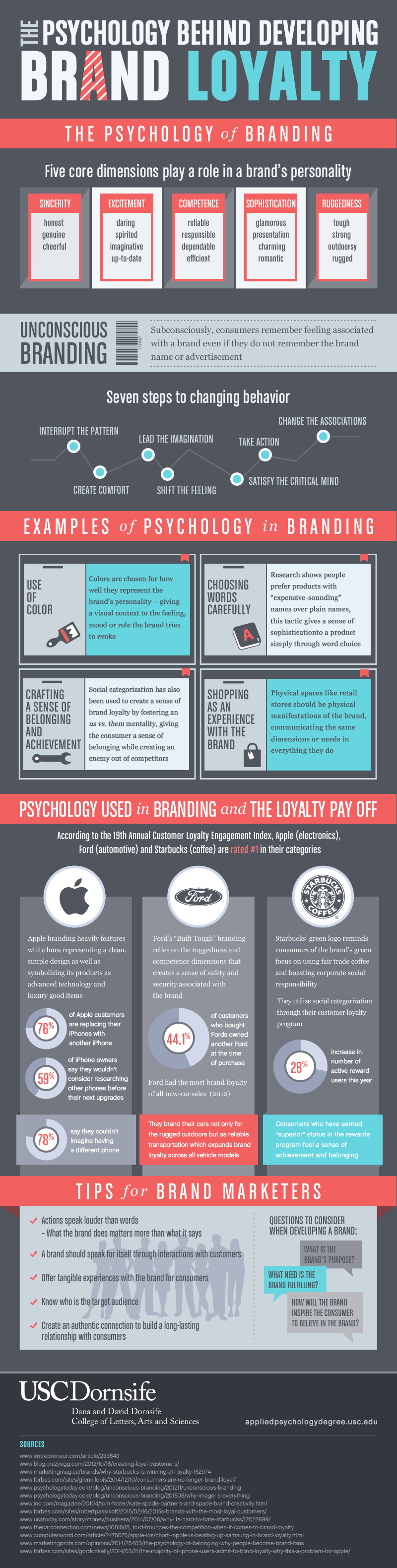
University of Southern California
6. What Can Be Said?
Gleaning Cannabis Psychology
The psychological phenomena baked into the cannabis industry is fascinatingly impactful, yet little understood internally. It holds insight, enlightenment, influence; and it exerts force on the whole supply chain from the grower to the consumer. Acting as a catalyst for demand, a persons psychological needs and mental health become singluarized driving forces for consumers across the spectrum. If these waves of demand aren’t based on real desire, but are instead manufactured or used opportunistically, they violate a critical rule of business as seen through the lens of warfare. As Sun-Tzu stated in The Art of War: “Knowing oneself and knowing your enemy determines victory. If the general knows himself but doesn’t know his enemy [or vice versa] he will lose half of his engagements.”
Legalization has provided ample opportunity for different interest groups and lobbyists to create & weaponize crossover between mental health issues and cannabis use. A modern day “Reefer Madness”.
These powerful forces have a downside, one with which we’ve dealt since the start. There are many who would see to it that the influence of cannabis psychology should be used to enrich themselves and their lackeys–usually manifest as big corporate cannabis, overzealous regulators, and corrupt business owners. We cannot allow this to mature into full control. Like the Internet, we believe cannabis is a right endowed by our Maker and should remain a free and open space. Monopolization of the Industry is anti-American.
This is the place where capitalism, consumerism, and American values of freedom & liberty collide with progressive and dynamic sociocultural, and most relevantly, psychological standards–all intertwined to form this thing we call the Cannacommunity.
The demographics of this psychology are all-encompassing. People of all walks of life are pulled toward cannabis because in it, they perceive benefit. Today’s industries are able to use that fact as a segway to upsell, combine, package, and develop their products all while gaining crucial insight. The issue of “psychological determinism” is complex, and must be addressed prior to the industry taking off. We need not play whack-a-mole with these issues like mental illness and susceptibility to certain patterns of behavior down the road when we can mitigate them now!
We submit that the companies who choose to prioritize these issues today will become pivotal to the advised who would control or attempt to control the industry and our Cannacommunity. We, the growmies and friends, can also utilize the intellect to outmaneuver these folks. Beat them at their own game, and the natural competitiveness between the owner class and the working class will yield new understanding, new clarity, and therefore new opportunities.
We can set the tone for the future, and we should all be so inclined to do so, free from the illusions and shackles of a broken system that initiated our Dark Ages and brought about over 100 years of terrorist acts against us.
7. Glossary
- Scarcity Marketing
- A tactic used to create a sense of urgency by making products appear rare or limited.
- Social Proof
- The psychological tendency of individuals to conform to the actions or opinions of others, particularly in purchasing decisions.
- FOMO (Fear of Missing Out)
- A psychological phenomenon where individuals experience anxiety over missing out on rewarding experiences.
- Personalization
- The process of tailoring products or marketing strategies to meet the specific needs and preferences of individual consumers.
- Trust Branding
- A branding strategy that emphasizes transparency, ethical practices, and compliance to build trust with consumers.
8. Quiz
Test your knowledge on cannabis consumer psychology.
-
- What psychological factor often drives consumers to purchase cannabis products during limited-time offers?
- Sensory Appeal
- FOMO (Fear of Missing Out)
- Reinforcement
- Which group of cannabis consumers is most likely to try new product formats like edibles or concentrates?
- Habitual Users
- Exploratory Consumers
- Medical Relief Seekers
- What are the top reasons typically given for why people consume cannabis?
-
- Relaxation & Subconscious Needs
- Stress Management & Conflict De-escalation
- Just a simple desire to get high.
- What psychological factor often drives consumers to purchase cannabis products during limited-time offers?

 Chronicler Cannabis Historians
Leave a comment