
The Damage Done: Painkillers, Addiction, and Cannabis
The Damage Done: Exploring the Opioid Crisis and Cannabis Alternatives
The Effects of Painkillers on the Body

Narcotic painkillers primarily interact with the brain, cardiovascular, and gastrointestinal systems to alleviate pain. However, prolonged use leads to dependency, with devastating physical and mental effects.
In the Brain
Painkillers bind to mu-opioid receptors, triggering dopamine release. While effective in pain relief, they promote tolerance and dependency over time.
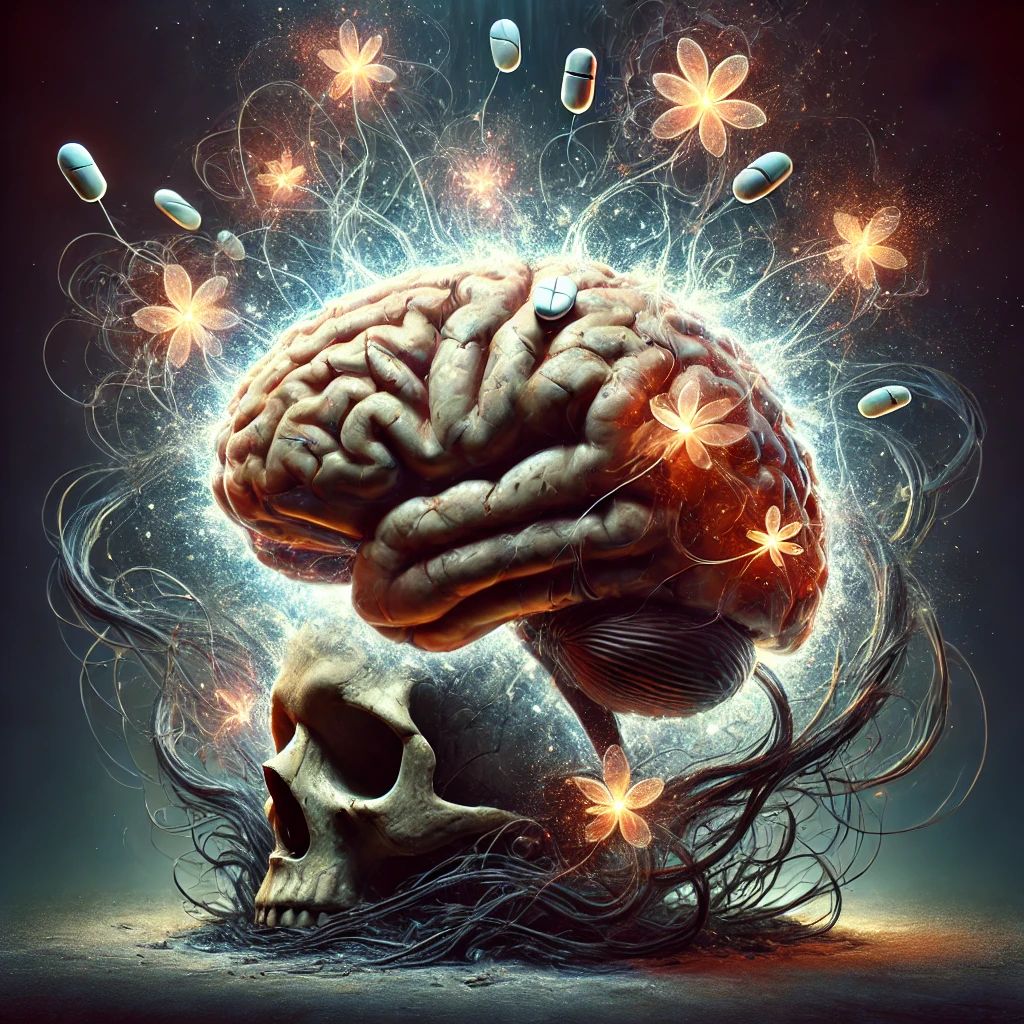
Chasing the Dragon: Causes of Opioid Addiction
The pathway to addiction is often a mix of genetic predispositions, environmental factors, and the psychological effects of chronic pain. Understanding these causes is critical to addressing the epidemic.
- Primary Causes: Chronic illnesses and injuries requiring pain management.
- Secondary Causes: Genetic and psychological vulnerabilities.
- Tertiary Causes: Poor lifestyle choices exacerbated by stress or mental health struggles.
Personal Journey: BudtenderJack’s Story
Jack’s battle with addiction began after spinal surgery and extended use of painkillers. Through cannabis, he found a way to manage his pain without dependency. His story highlights the potential of cannabis as a compassionate alternative.
“Taking the path of an addict is not fun. When you’re ready, call us for advice and prayer. All are welcomed.”

Cannabis as an Alternative to Painkillers
Cannabis provides pain relief through its interaction with the endocannabinoid system. Unlike opioids, it does not carry risks of overdose or severe dependency.
Cannabinoids and Pain Relief
THC and CBD offer analgesic and anti-inflammatory effects, making cannabis a viable alternative to narcotics.

 Chronicler Cannabis Historians
Leave a comment