
What is the Green Renaissance?
Welcome to The Green Renaissance, an age where cannabis is driving cultural, economic, and technological transformation. Similar to the Industrial Revolution (IR), this era marks a shift in how we view and utilize the cannabis plant. This mirroring of the climate, context, and characteristics of the IR demonstrates and assures us that the modern cannabis industry is just getting started. With that said, we can ask the question:
What Can the birth of the Industrial Age teach us about the birth of the legal cannabis industry, the Green Renaissance?
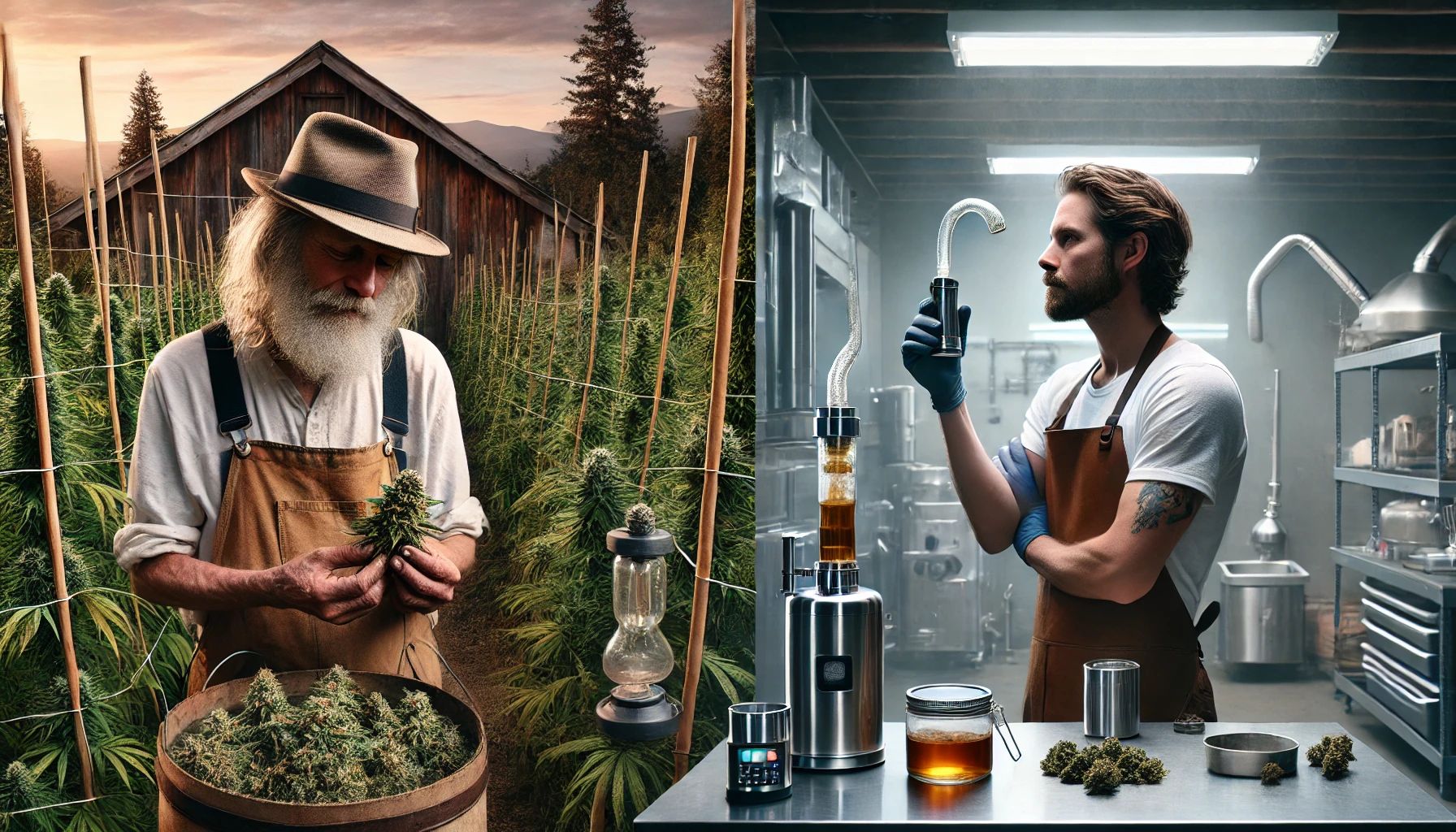
How Cannabis Mirrors the Industrial Revolution
The Industrial Revolution reshaped industries with advancements like the steam engine and assembly line. Similarly, the cannabis industry is evolving with hydroponics, AI-driven cannabinoid research, and advanced regulatory frameworks.
Fun Fact: The IR transformed textiles; today, cannabis is transforming industry in medicine, sustainability, and wellness.
Three Key Parallels Between Cannabis and the Industrial Revolution
- ✓ Phenomena Leading the Shift: The IR was fueled by the demand for a better life, and so it was utilitarian; the burgeoning cannabis industry is driven by demand for the same things: a trustworthy and legal utilitarian systemization of cannabis consumption.
- ✓Early Challenges: The IR was challenged early on by folks with legitimate (and some not so legitimate) concerns about the use of unfamiliar tools and tech to improve our lives. Unsafe conditions on both the manufacturing and consumption sides, lack of comprehensive and thoughtful regulation, and political corruption defined the climate in which the IR took root. In cannabis, we’ve seen parallels where the cannabis industry faced quality issues and social stigma during its early growth.
- ✓ Timeline Comparison:While the Industrial Revolution unfolded over more than a century, the cannabis industry’s transformation is compressed into just a few decades. Yet, the parallels are striking: both movements grappled with societal resistance, regulatory challenges, and the need for groundbreaking innovation to reach their potential. By exploring the timeline of these two transformative eras, we can better understand how the cannabis industry today mirrors the Industrial Revolution’s stages of development, from its struggles for legitimacy to its revolutionary breakthroughs.Just as the Industrial Revolution reshaped the world with its technological leaps and economic shifts, the modern cannabis industry is redefining wellness, sustainability, and commerce. By comparing the IR’s timeline of invention, resistance, and global adoption with the cannabis industry’s current trajectory, we can see a shared pattern of progress. These parallels reveal not only how far cannabis has come but also how its journey holds the potential to reshape industries and societies in ways as profound as the IR did centuries ago.

Hemp: The Unsung Hero of the Industrial Revolution
Hemp played a pivotal role in the IR, providing materials for sails, ropes, and fabrics. Its versatility contributed to the rapid industrialization of Europe and America. Today, hemp continues to shape industries through sustainable plastics, biofuels, and eco-friendly textiles.
“Hemp was as crucial to the Industrial Revolution as coal, providing raw materials for industries ranging from textiles to shipbuilding.”
– Dr. Maria Torres
Modern Cannabis Industry: Driving Innovation and Sustainability
Cannabis and the IR share more than just disruption. Both sparked economic opportunities and challenged societal norms. As hemp contributed to industrial growth, modern cannabis contributes to sustainability efforts through renewable materials, medicine, and innovation.
Key Cannabis Terms and Concepts
- Green Renaissance: The modern era of cannabis innovation and acceptance.
- Terpenes: Compounds that give cannabis its aroma and influence its effects.
- Decarboxylation: A chemical reaction that activates the psychoactive components in cannabis.
- Hempcrete: A sustainable building material made from hemp.
- Endocannabinoid System: A biological system in the human body that interacts with cannabis compounds.
- Hydroponics: A method of growing plants without soil, often used in cannabis cultivation.
- Cannabinoids: The active chemical compounds found in cannabis, such as THC and CBD.
- Prohibition: The legal banning of cannabis, historically enforced globally.
- Full-Spectrum: A cannabis extract containing all cannabinoids, terpenes, and other compounds.
- Entourage Effect: The synergistic interaction of cannabinoids and terpenes in cannabis.
So What Can Be Said?
The Industrial Revolution and the cannabis industry represent more than just innovation—they represent societal evolution.The IR wasn’t just about steam engines; it was about redefining human potential. Similarly, the cannabis industry isn’t just about legalization; it’s about rethinking health, recreation, and sustainability.
Cannabis today is at the forefront of another global shift—a Green Renaissance where technology, culture, and commerce align to reshape our world. Much like the Industrial Revolution, the cannabis industry’s journey is a story of transformation, resilience, and boundless possibility.

 Chronicler Cannabis Historians
Leave a comment