

Learning Outcomes
Who Discovered Myrcene?
The compound’s significance in cannabis was later recognized when researchers studying terpene profiles in the late 20th century found Myrcene to be one of the most abundant terpenes in cannabis resin.
Today, Myrcene is extensively studied for its potential therapeutic benefits, including its role in enhancing cannabinoid absorption, sedative effects, and pain relief properties.
Myrcene: The Real Culprit Behind Sedation
Many consumers believe that the effects of cannabis are dictated solely by whether a strain is labeled as Indica, Sativa, or Hybrid. However, modern research suggests that this categorization is oversimplified and often misleading.
In reality, it is not Indica strains themselves that cause sedation—it is Myrcene. This terpene, present in both Indica and Sativa strains, plays a key role in relaxation, muscle relief, and the infamous “couch-lock” effect.
Strains high in Myrcene can be found across all categories—Sativa, Hybrid, and Indica—meaning a Sativa-dominant strain with high Myrcene levels can be just as sedating as a traditional Indica.
This is a game-changer for cannabis users who rely on effects rather than strain names. Instead of choosing based on Indica vs. Sativa, looking at the terpene profile—especially Myrcene levels—provides a more accurate way to predict how a strain will affect the body.
Bottom line: If you’re looking for sedation, look for Myrcene, not just Indica.
- 1. Explain how Myrcene contributes to the effects and aroma of cannabis.
- 2. Analyze Myrcene’s role in enhancing cannabinoid absorption and its therapeutic benefits.
- 3. Describe Myrcene’s presence in cannabis vape pods and its impact on user experience.
- 4. Compare Myrcene’s effects to other terpenes such as Pinene and Limonene.
- 5. Synthesize research on Myrcene’s medicinal properties and its relevance in the cannabis industry.
The Nature of Myrcene
When you take a deep breath of that earthy, musky aroma wafting from your favorite cannabis strain, you’re likely smelling Myrcene. This terpene is responsible for earthy, herbal, and fruity undertones, commonly found in hops, bay leaves, and lemongrass.
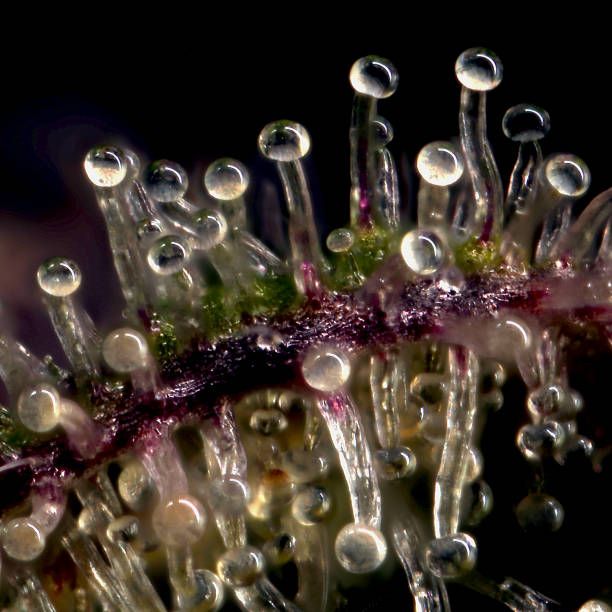
Interestingly, Myrcene is biosynthesized in the same glandular trichomes where cannabinoids are produced, contributing to the sticky resinous texture of cannabis. This trichome-rich layer plays a crucial role in both medicinal and recreational cannabis products.
Myrcene in Vape Pods: A Highlight
Shout-out! Did you know? Myrcene is one of the most common terpenes in cannabis vape products. It naturally thins out cannabinoid oils, reducing the need for synthetic additives in vape cartridges.
Because Myrcene enhances cannabinoid absorption, Myrcene-rich vape pods can feel more potent, delivering stronger effects with a smoother vaping experience.
The Effects of Myrcene
Myrcene is widely known for its sedative and relaxing effects, making it a popular terpene for stress relief, anxiety reduction, and sleep enhancement. In fact, Myrcene is the primary reason cannabis is often associated with sleep aid.
Customers often believe that “couch-lock” is related to Indica strains, but that’s a misconception! The real factor behind this sedative effect is Myrcene content, not whether a strain is labeled Indica or Sativa.
Scientific studies suggest Myrcene interacts with the GABAergic system in the brain, which regulates relaxation and sedation.
How Much Myrcene Is Considered High?
In cannabis strains, Myrcene levels usually range from 0.3% to 2%. A strain is considered Myrcene-dominant if it contains more than 2% Myrcene.
However, claims that Myrcene levels above 5% are “high” are incorrect and not supported by research.

Final Thoughts on Myrcene
Myrcene is a fascinating terpene with wide-reaching effects, from enhancing relaxation to improving cannabinoid bioavailability. Understanding Myrcene’s role can help consumers make better-informed choices when selecting cannabis strains and vape products.

 Chronicler Cannabis Historians
Leave a comment