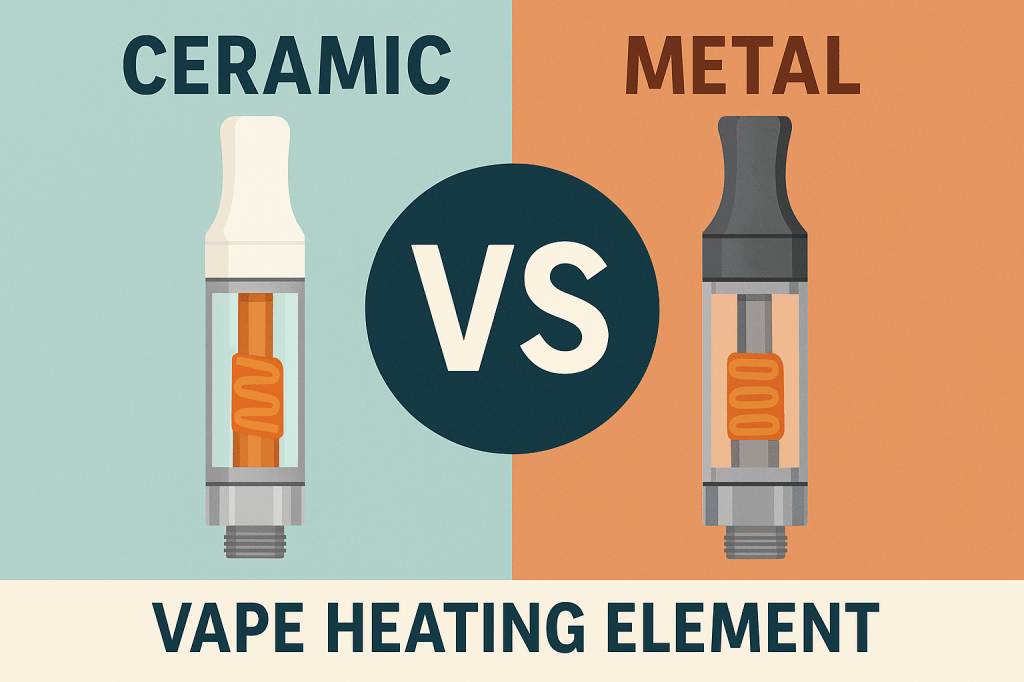
Heating Elements: Ceramic vs. Metal
A Comprehensive Analysis of Ceramic and Metal Heating Elements in the Cannabis Industry
Among these risks, the type of heating element used in the vape device is often overlooked. The two primary types of heating elements are ceramic and metal, each carrying its own set of potential hazards. In this article, we will explore the science, risks, and benefits of each type of heating element, highlighting why it’s critical for both consumers and industry professionals to understand these factors in making informed decisions.
Understanding the Science Behind Vape Heating Elements
To understand the risks associated with vape heating elements, it’s important to first comprehend their function. Vape pens work by using a heating element, or coil, to heat cannabis oil to a vaporized state. When a user inhales, the vaporized cannabis oil is absorbed into the bloodstream through the lungs, delivering the active ingredients like THC, CBD, and terpenes.
But how these coils work, and what materials they are made from, can significantly affect the quality and safety of the vapor produced. Most commonly, heating elements are made from either high-quality ceramic or metal. Let’s take a closer look at each of these materials.
Ceramic vs. Metal Heating Elements
Ceramic Heating Elements
Ceramic heating elements have gained popularity due to their reputation for purity and flavor preservation. They are often used in high-quality vaporizers, particularly those designed for medical or high-end recreational use. Ceramic coils distribute heat evenly, which is essential for delivering a smooth, flavorful vaping experience.
- ✅ Purity & Flavor Preservation: Ceramic heating elements retain the natural flavors of the cannabis, preventing metal contamination that can alter the taste.
- ✅ Even Heat Distribution: Ceramic coils heat evenly across the entire surface, leading to more consistent vaporization of the cannabis oil.
- ✅ Longevity: Ceramic elements typically last longer than metal coils and are less likely to degrade with use.
- ❌ Fragility: Ceramic is more prone to cracking or breaking under stress, making it more delicate than metal options.
- ❌ Slower Heat-Up Time: Ceramic coils take longer to reach the desired temperature, which can be inconvenient for users who want a quicker experience.
Health Risks of Metal Heating Elements
While ceramic coils are often considered safer due to their non-reactive nature, metal coils carry significant risks. Numerous studies have identified harmful chemicals in the vapor produced by metal coils. In particular, metals like nickel and chromium have been found to leach into the vapor when exposed to high heat, leading to potential respiratory issues, skin irritation, and long-term health problems.
A 2022 study published in the Journal of Analytical Toxicology found elevated levels of nickel and chromium in the aerosols of metal-coil vaporizers, raising concerns about the safety of metal coils in cannabis vaporizers.
For instance, a study conducted by the American Chemical Society in 2019 found that metals like chromium, nickel, and lead were present in the vapor produced by certain vape pens, particularly those that used metal heating elements. These metals, which are toxic when inhaled, can cause serious health issues, including cancer, lung disease, and skin rashes. It’s important for consumers to be aware of these risks and consider choosing vaporizers with ceramic or high-quality metal components, such as medical-grade stainless steel, to minimize exposure to harmful substances.
Making the Right Choice: Ceramic or Metal?
As a consumer, it’s crucial to make an informed choice when selecting a vaporizer. While ceramic coils may provide a cleaner, purer vaping experience, they are also more expensive and fragile. On the other hand, metal coils are cheaper, durable, and heat up quickly, but they carry the risk of harmful metal leaching and flavor alteration.
Here are a few key recommendations when selecting a vape device:
- Opt for products that are third-party tested for safety and purity.
- Choose vaporizers that use medical-grade stainless steel or ceramic heating elements to ensure minimal risk of contamination.
- Be cautious of products that do not provide detailed information about their heating elements and materials.
- Look for products with high user ratings, reviews, and consumer feedback to better understand the quality and safety of the device.
Make an Informed Choice Today
Whether you’re new to vaping or a seasoned enthusiast, understanding the risks and benefits of different heating elements is critical for your safety and overall experience. Choosing the right vaporizer is an investment in both your health and enjoyment of cannabis.
Explore Safer Vape Options

 Chronicler Cannabis Historians
Leave a comment