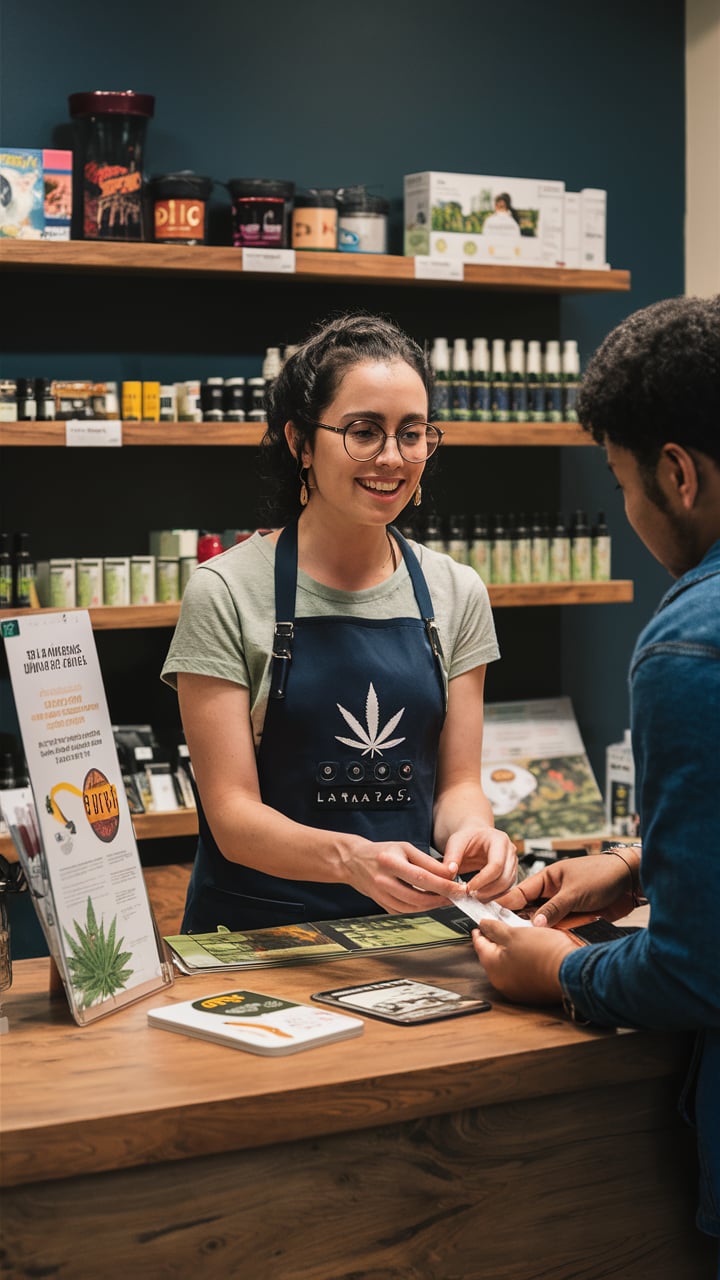
The Feminization of Cannabis Consumerism
By Jack Kilgore, Cannabis Historian & Brand Consultant
Something extraordinary is happening on dispensary floors, e-commerce dashboards, and in boardrooms. Women are not only entering the cannabis market — they’re reshaping it from the inside out. A demographic once underestimated, overlooked, and largely untargeted is now becoming the most influential consumer in the space.
From the Shadows to Center Stage: A Historical Context
Women’s relationship with cannabis stretches back centuries. From Queen Victoria’s personal use of cannabis tinctures to soothe menstrual pain to ancient Egyptian midwives using it for birth-related procedures, women were once stewards of plant medicine.
In the early 1900s, cannabis was included in many over-the-counter remedies marketed specifically to women — including for hysteria, mood disorders, and menopause.
But prohibition changed that. The war on drugs, fueled by propaganda and patriarchal public policy, cast women in roles of cautionary tales, not as consumers or advocates. That is, until now.
The Data Doesn’t Lie: Women Are Here
According to BDSA’s 2024 consumer insights report, women now account for over 38% of cannabis buyers — a 12% increase since 2019. Their share is growing in every age bracket, particularly in the 30–50 range.
This is not a fluke. Women are outspending men on edibles, topicals, low-dose beverages, and wellness-oriented cannabis products. They are also twice as likely to value product consistency, customer service, and sustainable sourcing.
“I’d say 3 out of every 5 customers I guide today are women — and not just shopping for their boyfriends anymore. They’re buying for themselves, asking smart questions, and coming back because we’re listening.”
—Natalie R., Budtender, San Diego CA
Why Now? Drivers Behind the Shift
- Wellness & Self-Care Culture: The mainstreaming of mental health and self-care has collided with cannabis wellness narratives.
- De-Stigmatization: As legalization progresses, the “stoner” label is giving way to “intentional use” language that resonates with women.
- Product Diversification: Brands are finally offering more than just high-THC flower — microdose, adaptogen blends, beauty products, etc.
Women are 70% more likely to use cannabis to replace alcohol than men. Brands like Cann and Artet have built their entire product lines around this trend.
“It’s not that women just found cannabis — it’s that cannabis finally started speaking their language. I use it for my cycle, for anxiety, and yes, for fun. And now I don’t feel like I need to hide it.”
—Alexa B., Budtender, Oakland CA
Are Brands Leading or Following?
This is a critical question: Is the cannabis industry smart enough to realize what’s happening — or is it women themselves who have forced brands to pivot?
Truthfully, it’s both. Trailblazing brands like Her Highness, Kikoko, and Miss Grass built empires on underserved female consumers. But now even mainstream players are scrambling to catch up. What we’re seeing is less of a shift and more of a course correction.
Phenomenological Layers: More Than Just Buying Power
We can’t reduce this transformation to simple demographics. The female cannabis consumer is emotionally and socially invested. Cannabis provides sanctuary, sovereignty, and strength. It helps women sleep, work, create, parent, and process trauma — and feel beautiful doing it.
Strategic Preparation: How to Serve the Next Five Years
To serve this emerging market, brands and dispensaries must adapt at every level:
- Marketing: Focus on authenticity, emotional resonance, and education over “sex sells.”
- Product Development: Offer diverse, health-conscious options. Create dual-function products (e.g., wellness + recreation).
- Retail Experience: Train budtenders in empathy, discretion, and product knowledge. Women value space to ask questions and explore without pressure.
- Packaging: Make it discreet, beautiful, and informative. Sustainability and childproofing are essential.
Women are more likely to be repeat customers when the dispensary feels safe, well-lit, and staff are trained in gender-aware service.
Industry Implications: What Happens Next?
Expect to see more women in leadership roles, more female-focused brands, and a deeper emotional narrative in cannabis branding. We will also see strategic alliances between cannabis and industries like skincare, yoga, mental health tech, and women’s health startups.
The cannabis industry is evolving from loud to intimate. From shock value to emotional resonance. From stoner bros to sovereign sisters.

 Chronicler Cannabis Historians
Leave a comment