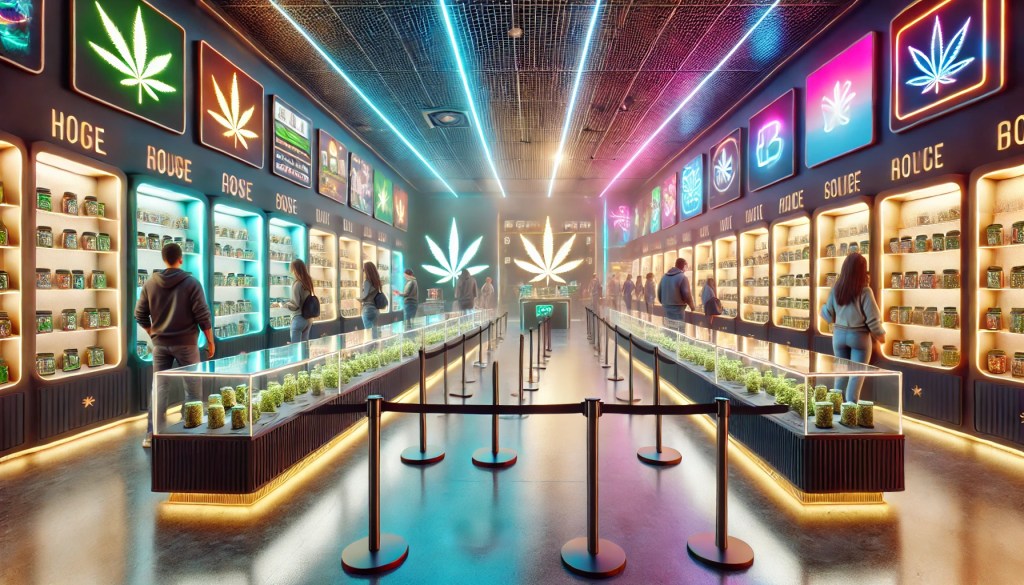
The Ultimate Guide to Cannabis Dispensaries in California
Legal Perspective: Official Cannabis License Categories
1. Storefront Retailers (Type 10)
Physical, walk-in dispensaries authorized to sell cannabis products on-site. These are often the most recognizable, functioning as traditional “brick-and-mortar” shops for local customers.2. Non-Storefront Retailers (Type 9)
Delivery-only operations that serve customers without maintaining a public retail space. Ideal for consumers valuing privacy and convenience.3. Microbusinesses (Type 12)
License holders that integrate multiple facets of the cannabis supply chain under one umbrella: cultivation, manufacturing, distribution, and retail. Streamlined operations can help lower overhead and foster product innovation.State-Level Sources
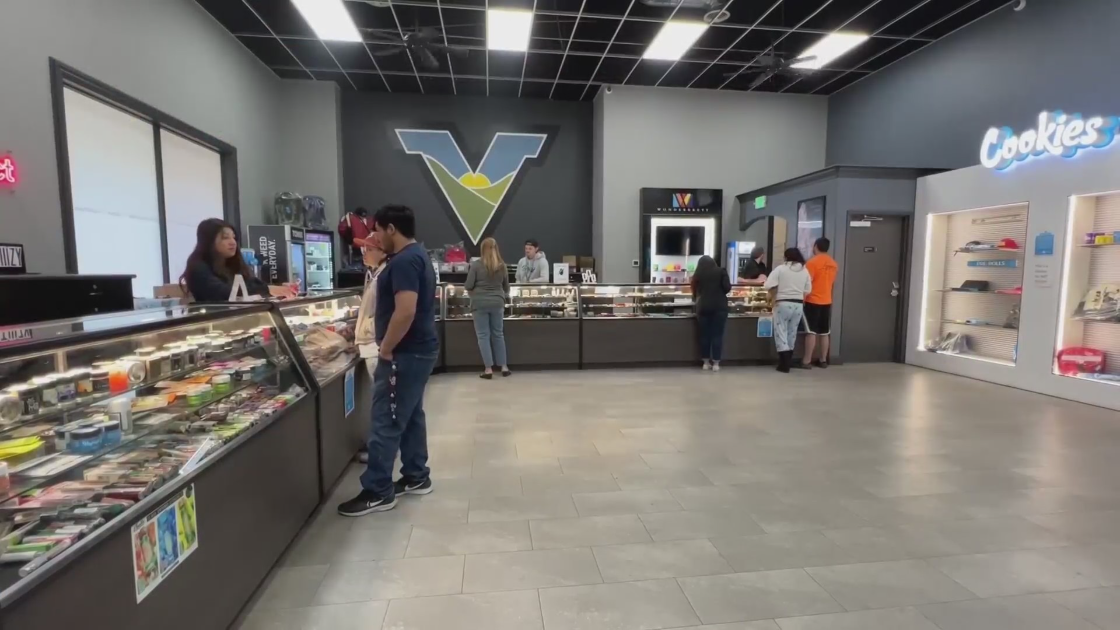
1. Budget Clubs
What They Are: These dispensaries focus on offering low prices and regular deals. Commonly found in high-foot-traffic areas, they appeal to medical patients on limited budgets and price-conscious customers.
Characteristics: Minimalist store design, broad product variety at lower price points, and frequent promotions or loyalty programs. High inventory turnover ensures fresh selection and ongoing savings.
Why It Matters: Establishes accessibility for many consumers, bridging economic gaps while still adhering to quality standards.
Example: “Eco-Clubs” like Valley Pure or Authentic 209 rely on their superior pricing structures to maintain clientele long-term.
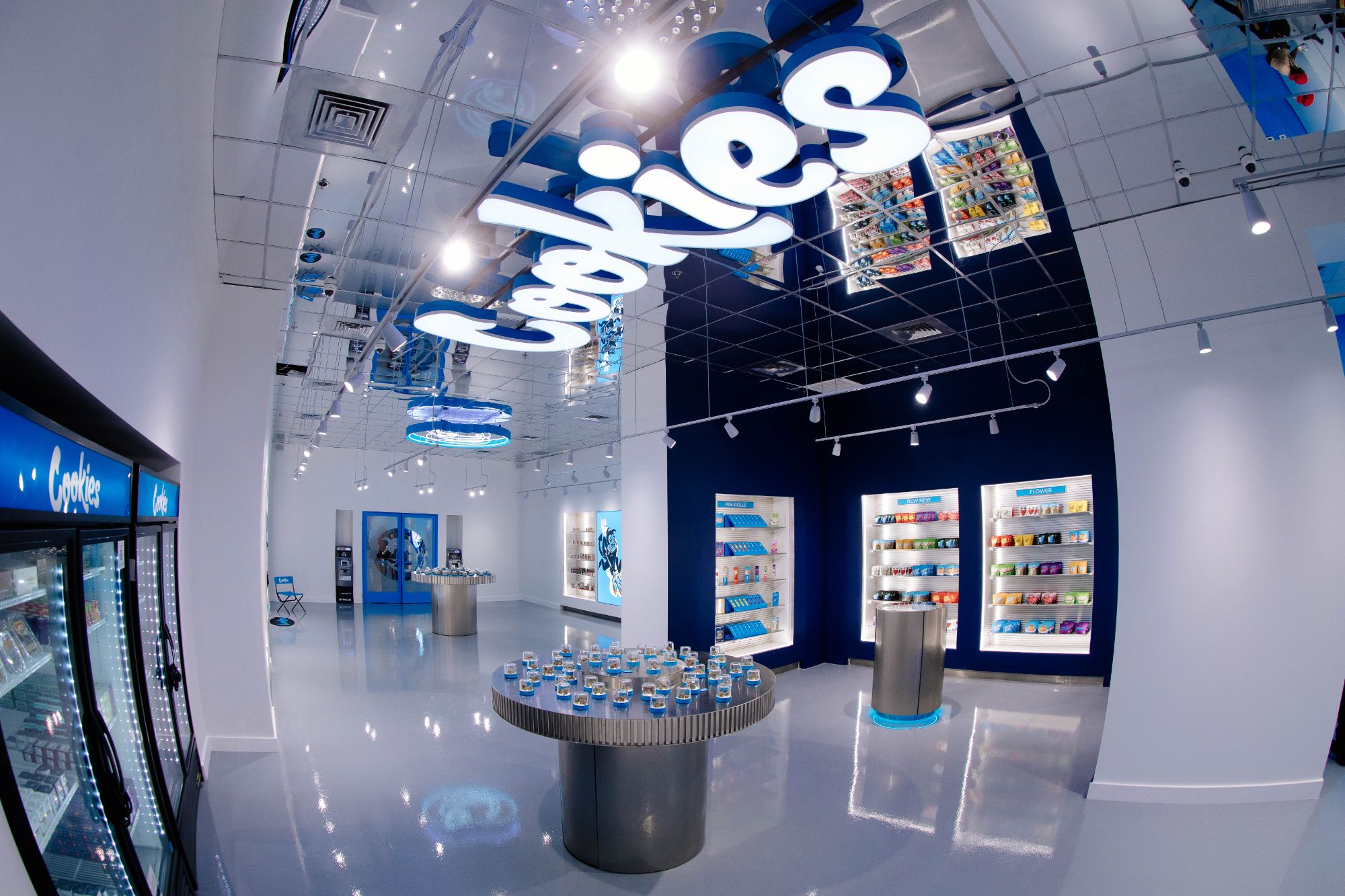
2. Chain Clubs
What They Are: Multi-location or franchised dispensaries that create a familiar brand presence across regions. Standard operating procedures guarantee uniformity and build consumer trust. Characteristics: Consistent store layouts, centralized marketing campaigns, and dedicated product lines. Clubs like Cookies, The Premier Society, and Connected all fulfill this role. Why It Matters: Attracts customers who value convenience and reliability. Uniform standards translate into improved trust and brand recognition.Additional Notes: Chain Dispo’s like pHenos by The Premier Society have made a name for themselves. Cookies & The Bright Spot are other leading examples. They see high daily volume, giving them a major edge in influence and utility.

3. Boutique Clubs
What They Are: Smaller, high-end dispensaries known for curated premium products, craft strains, and an elevated brand ambiance. Tailored to connoisseurs seeking top-shelf selections. Characteristics: Stylish interiors, knowledgeable staff, and limited product batches emphasizing rarity and exclusivity. Personalized consultations may enhance the luxury aspect. Why It Matters: Delivers a refined, memorable shopping experience and fosters loyalty among discerning customers.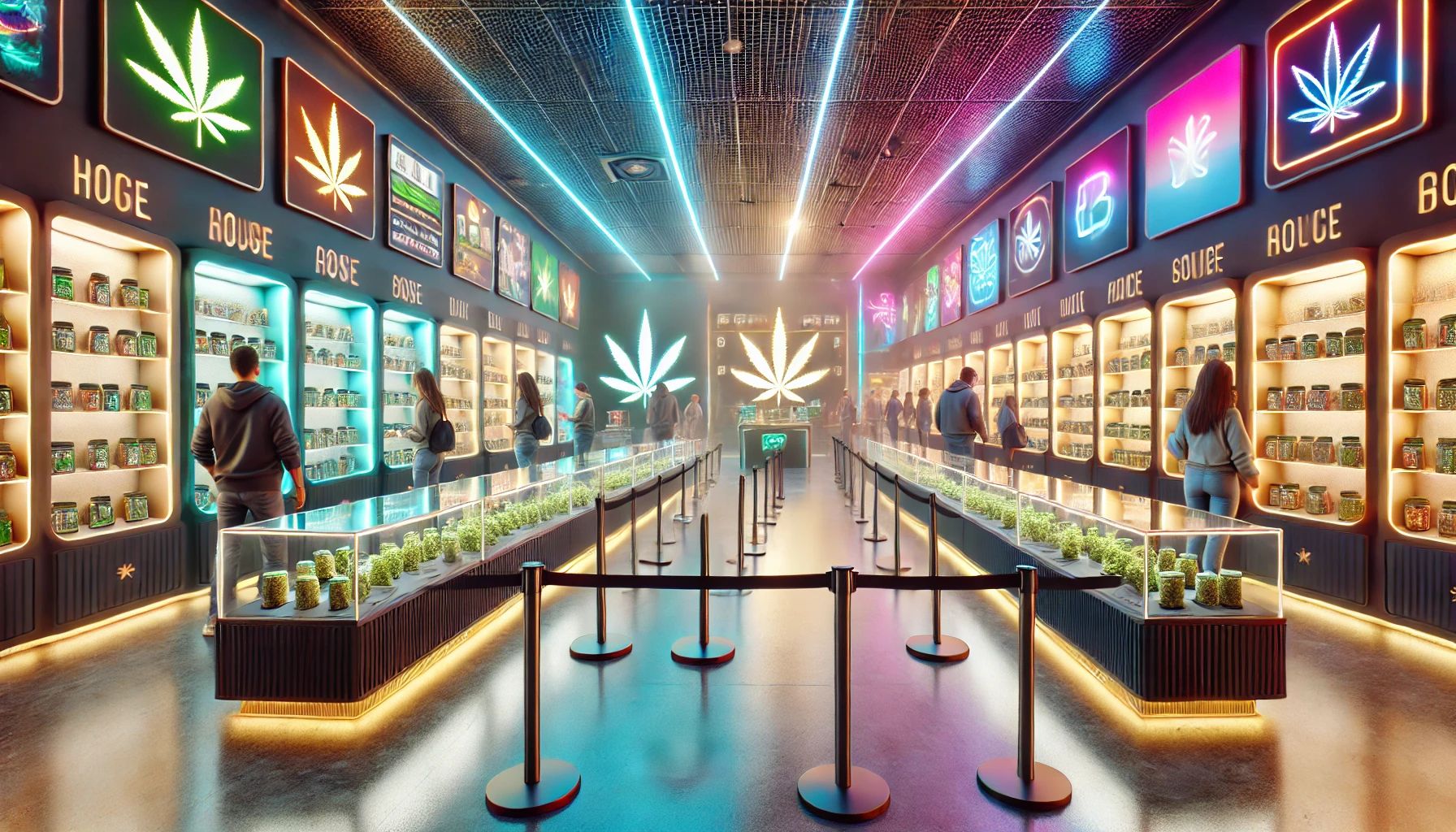
4. Corporate Clubs
What They Are: Well-funded or publicly traded entities offering extensive marketing budgets and expansive operations. Large-scale distribution channels for maximum reach. Characteristics: Standardized procedures, bigger infrastructures, robust supply networks. Noted for consistency, though sometimes perceived as less personal compared to smaller independents. Why It Matters: Economies of scale can lower costs and increase availability of niche products. High brand visibility benefits consumers and fosters trust.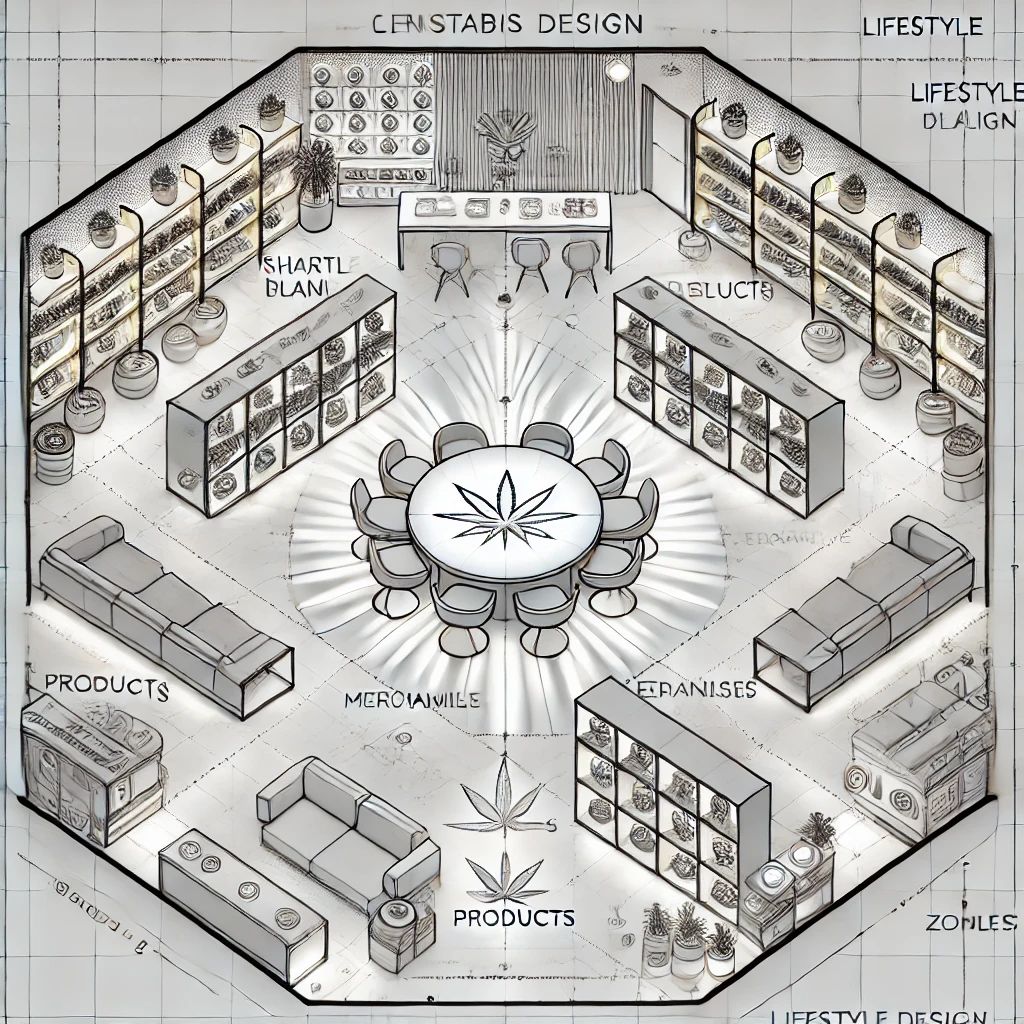
5. Lifestyle Clubs
What They Are: Community-focused cannabis retailers that present cannabis as part of a broader lifestyle. They often host events or workshops that encourage social engagement. Characteristics: Yoga gatherings, educational classes, local artist showcases, or themed product demos. Creates a sense of belonging among regular customers. Why It Matters: Builds a thriving subculture united by shared interests, enhancing brand identity and customer retention. Known for a semi-unique, comfortable approach.Example: A “friend’s house” vibe where you can indulge freely. The difference? This friend has armed security, endless weed, and cares about your betterment.
6. Specialty Clubs
What They Are: Niche dispensaries catering to specific preferences, such as edibles-only, concentrate-centric menus, or advanced medical services for targeted health needs. Characteristics: Expert staff, specialized product lines, and deep knowledge in the chosen segment. Often includes educational resources for enthusiasts or patients. Why It Matters: Acts as a go-to hub for people with specific tastes or medical conditions, solidifying credibility as subject-matter experts.How This Benefits Your Company
- Market Segmentation Analysis:
- Identify nuanced consumer profiles (price-conscious, connoisseurs, experiential seekers, niche enthusiasts).
- Develop targeted marketing tactics for each audience’s preferences.
- Brand Positioning Framework:
- Determine alignment with categories like boutique, chain, or specialty.
- Clarify brand messaging, store layout concepts, and product mix strategy.
- Operational Insights:
- Outline ideal staffing skill sets, training programs, and inventory protocols.
- Customize store design elements and promotions to match your chosen classification(s).
- Competitive Benchmarking:
- Evaluate local cannabis retailers by type, highlighting market gaps or oversaturated segments.
- Leverage unique differentiators (e.g., “boutique corner” within a larger chain store).
Additional Resources and Industry Insights
- BDS Analytics: In-depth reports on consumer segmentation and retail trends
- New Frontier Data: Comprehensive market analyses and consumer behavior research
- MJBizDaily: Articles focusing on emerging dispensary models, branding, and business strategy
- Leafly Business Resources: Guides on innovative dispensary marketing and operational management

 Chronicler Cannabis Historians
Leave a comment