
“Chronicler exists to remind the world that cannabis was never the rebellion—it was always the revolution. We don’t just document the industry; we define its direction.”
Imagine, if you will, a time when cannabis was not the icon of counterculture, nor the misunderstood plant cloaked in stigma. Picture it instead as a humble workhorse, a green thread woven into the very fabric of human progress. From medicine to textiles, ritual to revolution, cannabis has never merely tagged along history’s journey—it has paved the way for it.
It is from this realization that Chronicler emerges, not just as a brand or publication, but as a statement of purpose. This is our collective duty: to tell the full story of cannabis with integrity, reverence, and ruthless attention to truth. Because the truth is, cannabis was always civilized. It was laws, not leaves, that made it criminal.
The Dawn of a New Era
Today, we stand at the cusp of a cannabis industrial age—an era defined not by prohibition but by precision, creativity, and technological advancement. The machinery of innovation is here: AI cultivation controls, pharmaceutical-level lab work, blockchain-based seed tracking. But with modern progress comes the responsibility to chronicle our ascent.
Chronicler is the industrial historian of this new age. Where others report, we remember. Where others hype, we hallow. Where others forget the path that brought us here, we burn the torch brighter.
Historical Timeline of Cannabis Legality, Culture, and Industry
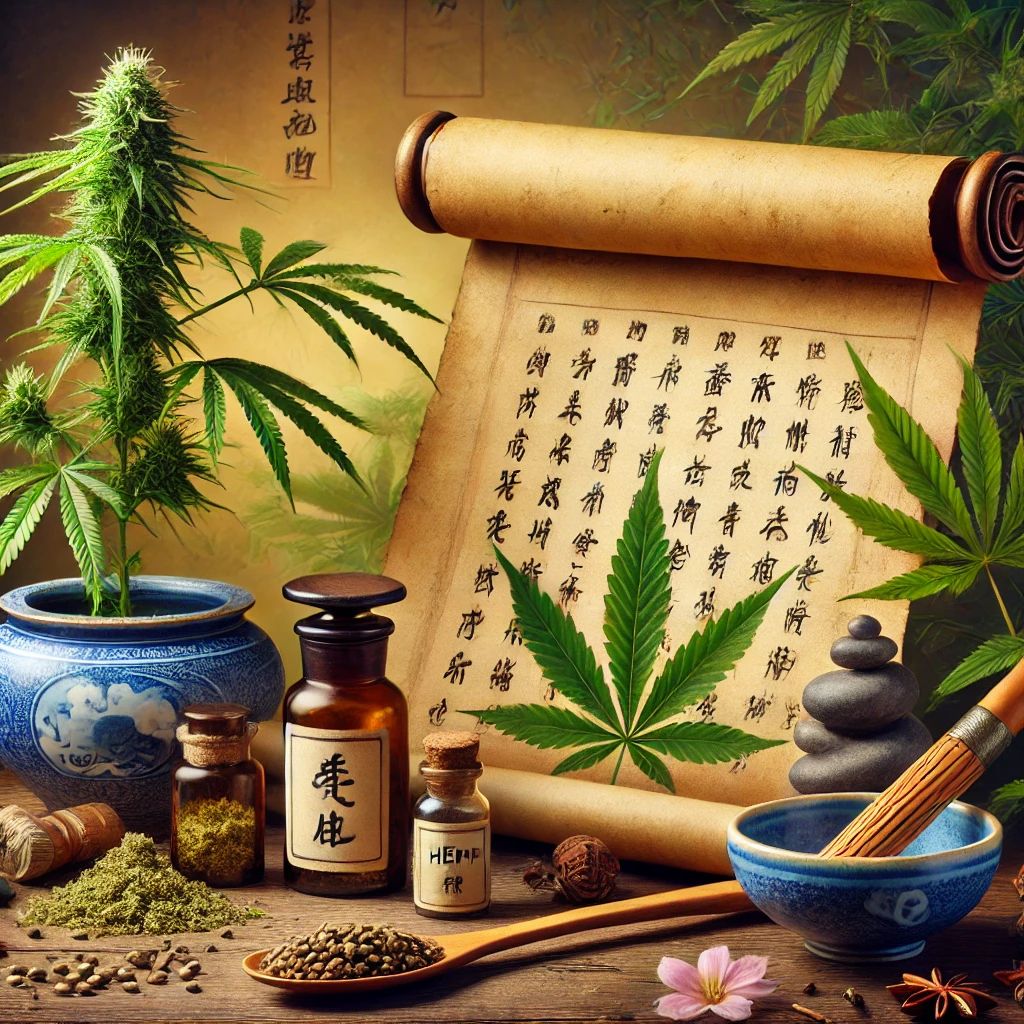
2737 BCE – First recorded use in Chinese medicine by Emperor Shen-Nung.
1500 BCE – Ayurvedic texts describe cannabis as sacred in India.
1850 – Listed in the U.S. Pharmacopeia as treatment for various ailments.
1937 – Marihuana Tax Act effectively criminalizes cannabis.
1971 – Nixon declares “War on Drugs.”
1996 – California legalizes medical marijuana with Prop 215.
2012 – Colorado and Washington legalize recreational cannabis.
2020s – Industry professionalizes; national reform accelerates.
The Role of Cannabis Historians in a Transformative Era
As cannabis historians, we are more than archivists. We are storytellers, sociologists, economists, theologians, and anthropologists. We track trends not just in markets but in meaning. We document the rise not just of companies, but of consciousness.
The cannabis industry is often judged against impossible standards: hyper-regulated yet under-supported, tax-burdened yet black-market-shadowed. But many of its current struggles are not failures—they are growing pains. Just as the alcohol industry found its footing post-Prohibition, and the tech sector matured after the dot-com bust, cannabis too will stabilize. It must. The truth is, it has to. Because the world needs what this plant provides: peace, relief, connection, opportunity.
We must ensure that the pioneers of this movement are remembered and that new stakeholders understand their legacy. It is not merely a matter of economics; it is cultural stewardship. This is not just a PlayStation Pro upgrade—it’s the leap to PS5. A new system. A new age. A new ethos.
Cannabis and the Industrial Revolution: Key Moments
1700s – Hemp fuels shipping, textiles, and paper economies worldwide.
1793 – Invention of the cotton gin shifts emphasis from hemp to cotton.
1930s – Lobbyists for timber and textile industries help outlaw hemp.
1942 – “Hemp for Victory” campaign during World War II revitalizes hemp farming.
21st Century – AI, biotech, and automation redefine cultivation, distribution, and formulation.
More Examples: Cannabis Advancing Civilization
- Hemp paper used for early drafts of the U.S. Constitution and Declaration of Independence.
- Hemp oil fueled lanterns before kerosene became widespread.
- Cannabis extracts now under study for epilepsy, PTSD, and cancer-related symptoms.
- Bioplastics and hempcrete are eco-friendly alternatives to petroleum-based products.
- CBD and CBG compounds showing promise in antimicrobial and anti-inflammatory research.
- Modern agriculture utilizing cannabis for phytoremediation of toxic soil.
The Mission of Chronicler
Chronicler is committed to building a cultural legacy, not just an information outlet. We see a world in which cannabis history is as common in textbooks as the Boston Tea Party. A world where cannabis entrepreneurs are not just innovators, but inheritors of a noble legacy.
We will tell the stories that others are afraid to print. We will feature the growers, scientists, advocates, and grandmothers who saw through the haze of propaganda and stood for healing. We believe the people who kept this plant alive deserve their names in bronze, not bail bonds.
And we believe in the future. In augmented reality budtender training. In cannabis-based construction materials. In biotech-enhanced strains that target specific neural pathways. We believe in the creative renaissance cannabis can unlock. We believe in you.
Conclusion: A Chronicle Worth Reading
The industry will evolve. The policies will change. The culture will shift. But our story—this chronicle—will remain. Because to forget the past is to repeat it. To whitewash the struggle is to dishonor the dead. And to ignore the opportunity is to abandon the future.
At Chronicler, we say no to amnesia. We say yes to legacy. We believe this plant is more than a commodity—it is a cultural keystone. It is not the enemy of order, but the midwife of progress. And it deserves a story that honors that truth.
Let this be that story.

 Chronicler Cannabis Historians
Leave a comment