The Versatile, Clean Pinene
Terpenes are volatile organic compounds abundantly present in the plant kingdom, including cannabis. They contribute to the unique scents and tastes of plants, enticing our senses. These compounds are synthesized in specialized glandular trichomes, tiny structures that dot the surface of many plants, including Cannabis. While terpenes serve various purposes for plants, such as repelling pests or attracting pollinators, they also hold immense significance for human experiences.
Terps are responsible for many positive benefits to the human body.
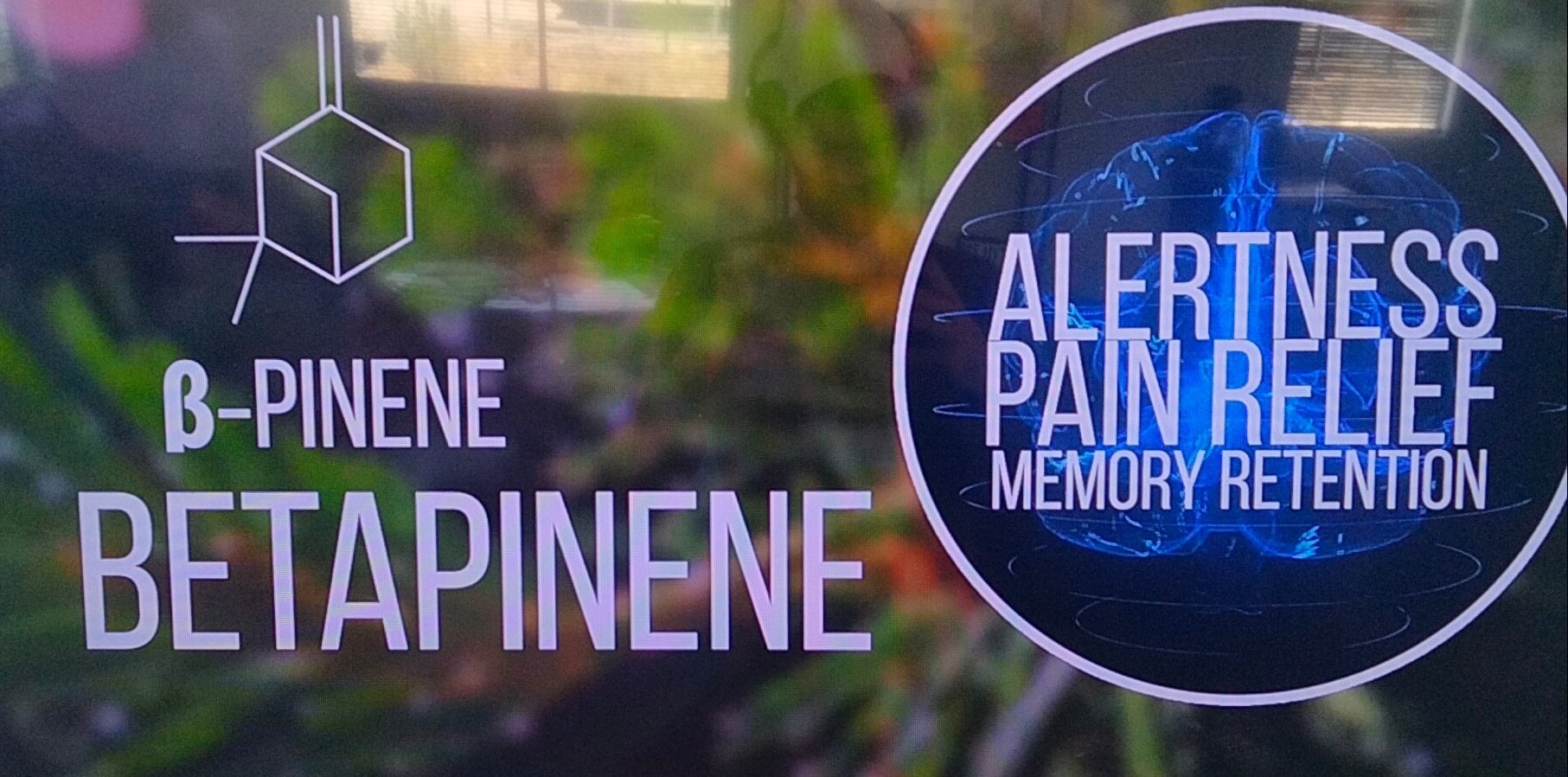
The discovery of terpenes dates back centuries; it’s earliest confirmed use as an Essential Oil, millennia. Their extraction and utilization have evolved over time. Pioneers like Chemist Sir Robert Robinson paved the way for understanding the complex chemical structures and diverse functions of terpenes. Through modern scientific research, we continue to unravel the mysteries surrounding these remarkable compounds.
For more information on Terpenes in general, see Jack’s article, “Terpenes: An Introduction” or reach out to @budtenderjack for direct assistance.
Terpene Spotlight – Pinene
Pinene’s Alluring Effects
One intriguing terpene deserving of attention is pinene. As its name suggests, pinene is responsible for the fresh, pine-like aroma that often wafts from certain cannabis strains and other plants. Beyond its delightful fragrance, pinene has been the subject of scientific interest due to its potential therapeutic effects.
Pinene has been associated with various applications, including (but definitely not limited to) aiding respiratory function, exhibiting anti-inflammatory potential, possessing antimicrobial properties, the functioning as bronchodilator, and potentially modulating antibiotic resistance (prevents your body from developing a tolerance to antibiotics–one of the biggest scourges of the pharma industry regarding antibiotics).
From a medical standpoint, while it is the case that the body is not designed to handle smoke particles like soot, pollutants, or chlorophyll, the body does respond quite remarkably to inputs of terps like Pinene. Along with flavonoids and cannabinoids, terps like Pinene contribute to a perfect mix of elevation, ability, and clarity.
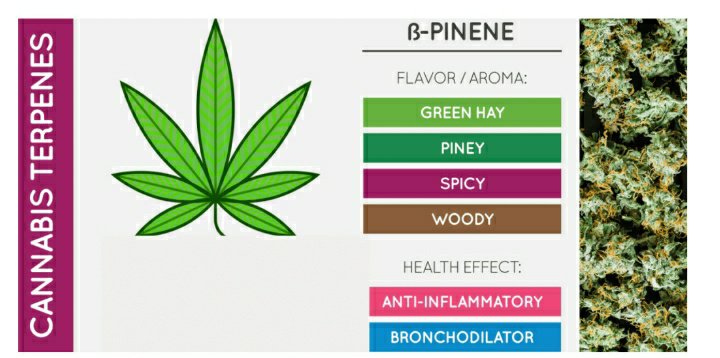
The chart above shows some of the characteristics of Pinene. Alpha pinene is the one most are familiar with: pine, usually; beta-pinene is closer in aroma to Sage or Thyme.
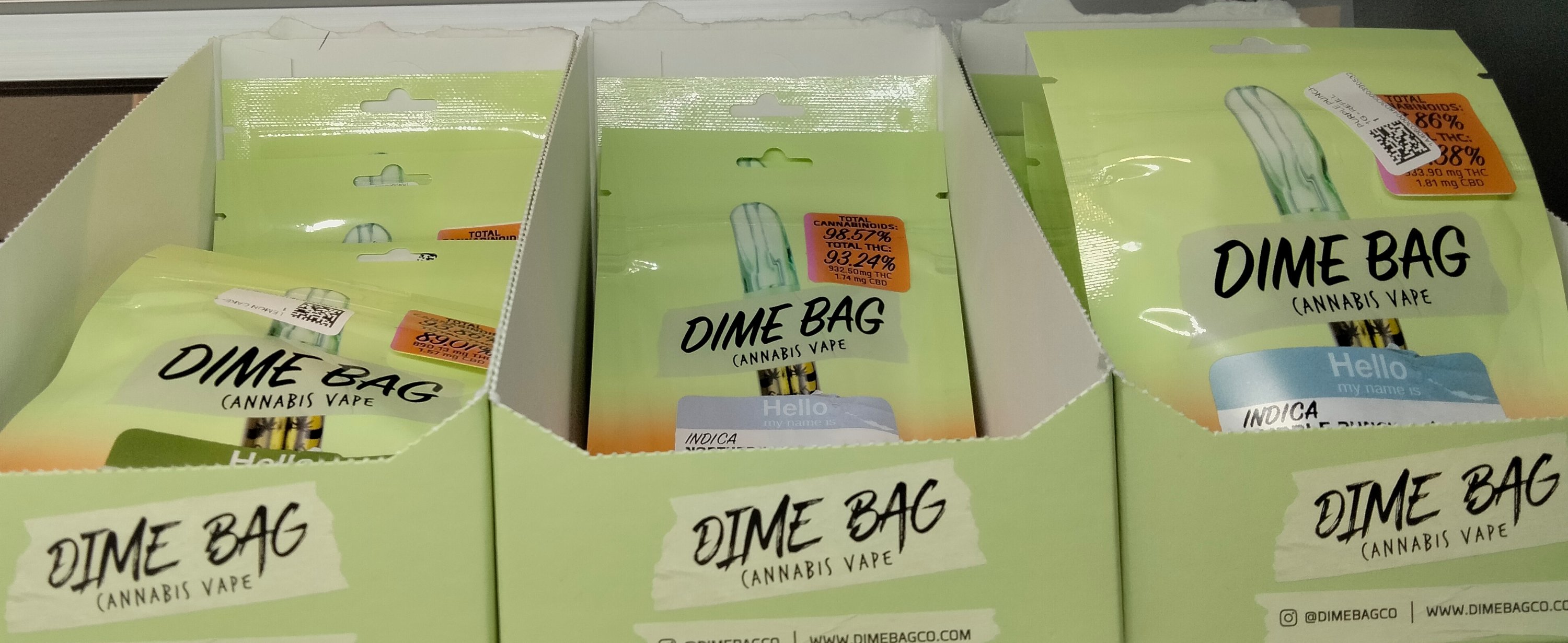
DimeBag by Loudpack 1 Gram Cartridges more often than not contain Pinene as a primary terpene, usually classified as “Pine” or “Earth”.

Scientific Support: Unveiling Pinene’s Potential
In the realm of scientific research, numerous studies have explored the therapeutic potential of pinene, such as these:
- Russo, E.B. et al. (2011) conducted a landmark study in which they examined and confirmed the anticarcinogenic effects of pinene. The research demonstrated significant inhibition of cancer cell growth by pinene, suggesting its potential as an anticancer agent.
- Silva, G.L. et al. (2013) investigated the anti-inflammatory properties of pinene. The findings indicated that pinene exhibited marked anti-inflammatory activity, supporting its potential use in mitigating inflammatory processes in the body.
- Iwasaki, K. et al. (2002) explored the antibacterial activity of pinene against various strains of bacteria. The results demonstrated pinene’s ability to inhibit the growth of certain bacterial species.
- Yadav, B. et al. (2020) shed light on pinene’s role in reversing antibiotic resistance in drug-resistant bacteria, potentially enhancing the efficacy of antibiotics.
These studies provide compelling scientific support for the beneficial properties of pinene, highlighting its potential in anticarcinogenic, anti-inflammatory, antibacterial, and antibiotic resistance modulation capacities. This is all done in part thanks to terps like Pinene!
This Creates A Problem
In the Jackson Pollack painting that is Washington, DC, the very fact that Pinene (and multiple other terps) have a confirmed medicinal usage should disqualify cannabis from being labelled as Schedule 1, meaning they believe there’s no medicinal value but high probability of addiction. The very fact that we can now point to scientific and peer-reviewed literature, studies, and knowledge displaces any argument that would have you believe Cannabis is more dangerous than Cocaine, which is what it’s being listed on Schedule II conveys and states.
What Have We Learned?
Terpenes, including the captivating pinene, offer a gateway to a world of aromatic wonders. Their diverse aromas and potential therapeutic effects have captivated the curiosity of researchers and enthusiasts alike. As we continue to explore the realm of terpenes, it becomes increasingly clear that these natural compounds hold immense promise for enhancing our understanding of plants, their interactions with our bodies, and the potential benefits they offer.
A Pro Tip
As a Budtender, you should already be readily acquainted with Pinene and other terps. But as a consumer, it’s ok if you aren’t–that’s why we’re here for you. What’s more, as a cannabis connoisseur, you now have tools to assist you in your future decision making. Now that You’ve familiarized yourself with Pinene, you’ll be able to better spot it’s presence in a particular cultivar.
At Budtender’s Ethos, we strive to provide you with insightful information, bridging the gap between science and the enchanting world of terpenes. Join us on this enlightening journey as we uncover the secrets and unravel the potential of these aromatic companions.

 Chronicler Cannabis Historians
You must be logged in to post a comment.